Author name: Sudheer Chauhan

Sudheer Chauhan is the Founder of Zodiac Gallop and the creator of the Horse Astro Technique (HAT Theory), a unique system combining Vedic astrology, equine behavioral science, and modern racing insights. With over two decades of experience, he helps horse owners, breeders, and trainers make informed and ethical choices in horse selection. Through his work, Sudheer offers a rare perspective on how astrology reveals a horse’s temperament, endurance, and racing potential, guiding professionals to identify future champions while honoring the deeper legacy of pride and tradition in equestrian sport.

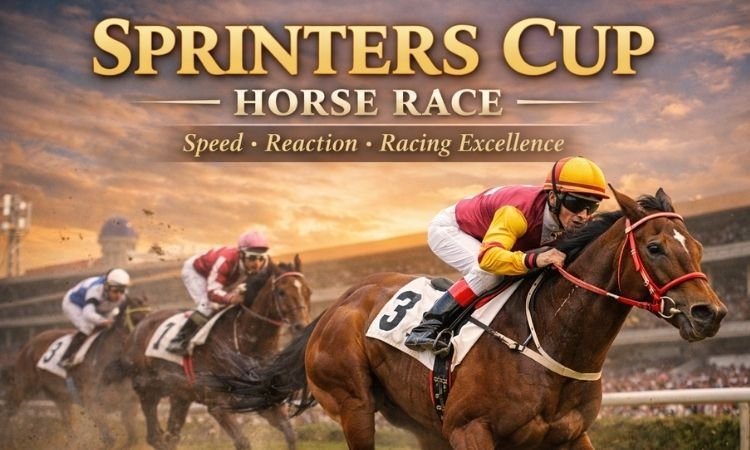
Sprinters Cup Horse Race
Horse Racing

What Is the Sprinters Cup? A Simple Guide for Horse Racing Enthusiasts

Horse racing is not only about long-distance endurance or classic races like the Derby and Oaks. A major part of the sport is dedicated to short-distance racing, where speed, timing, and instant decision-making define success. The Sprinters Cup represents this side of racing. It is a race that celebrates raw pace, sharp acceleration, and mental alertness, making it one of the most demanding formats in thoroughbred competition. For horse racing enthusiasts, owners, breeders, and trainers, understanding the Sprinters Cup is important because it helps clarify why certain horses excel in short races while others do not, and how sprint racing fits into the broader racing ecosystem. What Is the Sprinters Cup? The Sprinters Cup is a prestigious short-distance horse race designed specifically for racehorses that naturally perform best in sprint conditions. Unlike endurance races, where horses have time to settle and build rhythm, the Sprinters Cup requires horses to perform at peak intensity almost immediately after the start. The core purpose of the Sprinters Cup is to identify true sprint specialists, horses that possess: In simple terms, the Sprinters Cup exists to answer one question:Which horse can deliver maximum speed with control when there is no time to recover or adjust? Also Read: Indian Oaks Horse Race: Understanding Its Role in Thoroughbred Racing Distance and Nature of the Sprinters Cup Sprint races, including the Sprinters Cup, are run over short distances, which changes the entire nature of competition. In these races, even a small delay at the start or a brief loss of balance can decide the outcome. Because of the short distance: Unlike longer races, where patience and gradual buildup matter, the Sprinters Cup demands instant execution. This makes sprint racing extremely unforgiving and places high importance on precision. Also Read: Indian Derby Winners List (2015–2025) What Type of Horses Compete in the Sprinters Cup? Not every racehorse is suited for sprint racing. Some horses may show speed but lack the ability to deliver it effectively under sprint conditions. True Sprinters Cup horses have a distinct physical and mental profile. These horses typically show: Many horses that struggle to stay competitive in longer races find their true strength in sprint racing because the format matches their natural capabilities. Key Skills Tested in the Sprinters Cup The Sprinters Cup tests a unique combination of physical and mental skills. These skills are different from those required in classic or long-distance races. The race primarily tests: In sprint racing, talent alone is not enough. Horses must be mentally prepared to perform perfectly in a very short time window. Also Read: The 5 Best Horse Racing Tracks in India Sprinters Cup vs Derby and Oaks: Understanding the Difference The Sprinters Cup is often compared with races like the Derby and Oaks, but the goals of these races are fundamentally different. A horse that excels in sprint racing may lack the endurance required for classic races, while a strong stayer may struggle to match the sharp pace of sprint events. Understanding this difference helps owners and trainers avoid misplacing horses in unsuitable race categories. Why the Sprinters Cup Is Important for Owners and Trainers For owners and trainers, the Sprinters Cup plays an important role in classifying and managing racehorses correctly. It provides clarity about a horse’s natural racing strength. This race helps professionals: Correct placement not only improves performance but also protects the horse’s long-term health and confidence. Also Read: The role of nutrition in racehorse performance Common Traits Seen in Successful Sprinters Cup Horses Over time, certain traits are consistently observed in horses that perform well in sprint races like the Sprinters Cup. These traits go beyond physical speed. Successful sprinters usually demonstrate: These traits allow horses to perform reliably rather than producing occasional flashes of speed. Preparation for the Sprinters Cup: More Than Just Speed Preparing a horse for sprint racing requires a balanced approach. While speed is essential, overworking a horse can dull its sharpness. Effective preparation includes: Sprint races reward fresh, focused horses, not tired or overused ones. Also Read: How to choose a Thoroughbred Understanding Timing and Temperament in Sprint Racing Sprint racing is extremely sensitive to timing and temperament. Because races are decided in seconds, even a minor shift in mental readiness, energy balance, or focus can affect a horse’s ability to deliver its usual performance. Beyond training, fitness, and track conditions, some owners and trainers choose to explore supporting evaluation methods, such as racehorse astrology, to better understand how a horse responds under pressure. This approach focuses on observation and planning rather than prediction. Through the study of a horse’s birth chart, created using exact birth details such as date, time, and place, patterns related to temperament, reactive behaviour, and natural performance cycles can be examined. This helps teams understand: Within this context, frameworks like HAT Theory (Horse Astro Technique) are applied as complementary tools. HAT Theory uses horse birth chart insights only to support timing awareness, temperament understanding, and workload planning. It does not forecast race results or replace training, veterinary care, or professional judgment. When used responsibly, this structured apprach can help owners and trainers avoid poor timing decisions, reduce unnecessary pressure on sprint specialists, and protect long-term racing consistency. Also Read: Common Mistakes Horse Owners Make When Choosing a Racehorse Conclusion: What the Sprinters Cup Represents in Horse Racing The Sprinters Cup represents the purest form of speed-based competition in horse racing. It highlights how success depends on clarity, timing, and placing the right horse in the right race. For racing professionals and enthusiasts, the Sprinters Cup reinforces an important lesson:Not all champions are stayers; some are born to sprint.Recognizing and respecting this difference is key to long-term racing success and sustainable performance. Also Read: Top 6 Tips for Buy a Racing Horse Frequently Asked Questions (FAQs) 1. What is the Sprinters Cup in horse racing? Ans: The Sprinters Cup is a short-distance race designed to identify horses with exceptional speed, quick reaction, and the ability to perform under intense pressure over a brief distance. 2. Is the Sprinters
Indian Oaks
Horse Racing

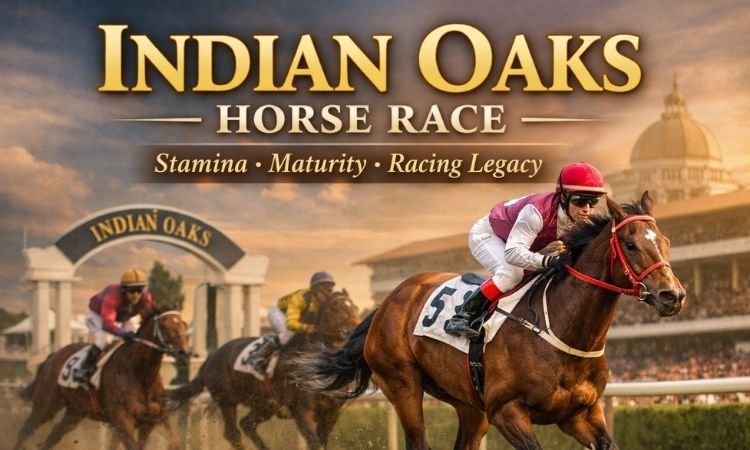
Indian Oaks Horse Race: Understanding Its Role in Thoroughbred Racing

The Indian Oaks is one of the most respected and meaningful races in Indian thoroughbred racing. It is not just another event on the racing calendar but a classic race that helps define the future of young female racehorses. For owners, breeders, stud farms, and racing professionals, the Indian Oaks represents a benchmark of stamina, maturity, and long-term racing potential rather than short-term speed. Understanding the Indian Oaks horse race helps racing stakeholders appreciate why certain fillies are valued highly, how classic races shape racing careers, and what truly matters in thoroughbred development. What Is the Indian Oaks Horse Race? The Indian Oaks is a classic horse race conducted exclusively for 3-year-old thoroughbred fillies (female racehorses). Unlike sprint races that focus primarily on early speed, the Indian Oaks is designed to test a filly’s endurance, physical balance, and mental composure over a longer distance. In simple terms, the Indian Oaks race exists to identify fillies that are not just fast, but capable of sustaining performance under pressure, managing race rhythm, and completing a demanding distance with strength and consistency. Because of this, the Indian Oaks is often seen as a career-defining race for young fillies in Indian horse racing. Also Read: Indian Derby Winners List (2015–2025) Why the Indian Oaks Is Important in Thoroughbred Racing The role of the Indian Oaks in thoroughbred racing goes far beyond determining a single race winner. It acts as a filtering race, separating early bloomers from genuinely strong, classic-quality horses. In thoroughbred racing, not every horse is built for long-distance or classic racing. The Indian Oaks highlights: Because fillies compete at a crucial age, performance in the Indian Oaks often influences future race planning, reputation, and long-term value within the racing ecosystem. Indian Oaks as a True Test of Stamina and Mental Maturity One of the defining features of the Indian Oaks horse race is its emphasis on stamina over speed. While speed is important, it is not enough on its own to succeed in this race. Fillies competing in the Indian Oaks must demonstrate: This is why the Indian Oaks is often referred to as a test of mental and physical maturity. Horses that perform well here are usually those that have developed steadily rather than those rushed into competition too early. Also Read: The 5 Best Horse Racing Tracks in India How the Indian Oaks Influences a Filly’s Racing Career Performance in the Indian Oaks plays an important role in shaping a filly’s future in racing. A strong run in this race often signals that the horse is suitable for: Even fillies that do not win the Indian Oaks but perform competitively are often considered reliable long-term prospects, especially when they show composure and stamina throughout the race. For owners and trainers, this race provides valuable insight into how a filly should be managed going forward. Also Read: The role of nutrition in racehorse performance Indian Oaks from a Stud Farm and Breeder Perspective From a stud farm and breeder’s point of view, the Indian Oaks holds special importance. While breeding focuses on bloodlines and physical traits, performance in classic races like the Indian Oaks reflects how those qualities translate into real racing conditions. Stud farms value Indian Oaks-level performances because they indicate: It is important to note that the Indian Oaks does not guarantee future success in every case, but it adds credibility to a filly’s racing and breeding profile. Common Traits Seen in Successful Indian Oaks Fillies Over the years, certain traits have been commonly observed in fillies who perform well in the Indian Oaks. These traits are not limited to physical ability alone. Successful Indian Oaks fillies often show: These qualities reinforce why the Indian Oaks is considered a classic race for serious evaluation, not a sprint for instant results. Also Read: How to choose a Thoroughbred Preparation for the Indian Oaks: More Than Just Training Preparing a filly for the Indian Oaks involves more than conditioning and fitness work. Because the race tests endurance and maturity, preparation must be carefully timed and balanced. Key aspects of Indian Oaks preparation include: Poor timing or over-racing before the Indian Oaks can negatively affect performance, even in talented horses. Also Read: Top 6 Tips for Buy a Racing Horse Understanding Performance Timing and Temperament  While pedigree, training, and race planning remain the foundation of success, some owners and breeders also look deeper into performance timing and temperament patterns when managing classic-level fillies. This is where horse astrology, when used responsibly, acts as a supporting evaluation tool, not a prediction system. It focuses on understanding: Frameworks such as HAT Theory (Horse Astro Technique) are used post-birth to study temperament and timing tendencies. This approach does not replace traditional racing practices or veterinary care. Instead, it helps some racing professionals reduce guesswork and protect long-term performance, especially for fillies targeting endurance-based races like the Indian Oaks. Also Read: Common Mistakes Horse Owners Make When Choosing a Racehorse Conclusion: What the Indian Oaks Truly Represents The Indian Oaks horse race represents patience, preparation, and true thoroughbred quality. It is not about instant success but about identifying fillies capable of sustaining performance under classic racing conditions. For stud farms, breeders, and racehorse owners, the Indian Oaks serves as a valuable reference point, highlighting which horses possess the stamina, temperament, and maturity required for long-term success in thoroughbred racing. When approached with discipline and understanding, the Indian Oaks becomes more than a race, it becomes a measure of future potential and racing legacy. Frequently Asked Questions (FAQs) 1. What is the Indian Oaks horse race?The Indian Oaks is a classic race conducted for 3-year-old thoroughbred fillies, designed to test stamina, maturity, and long-distance racing ability. 2. Why is the Indian Oaks important in horse racing?It helps identify fillies with endurance, mental strength, and long-term racing potential rather than just early speed. 3. Is the Indian Oaks only about speed?No. The race focuses more on stamina, balance, and consistency than pure speed. 4. How does the Indian Oaks affect a filly’s

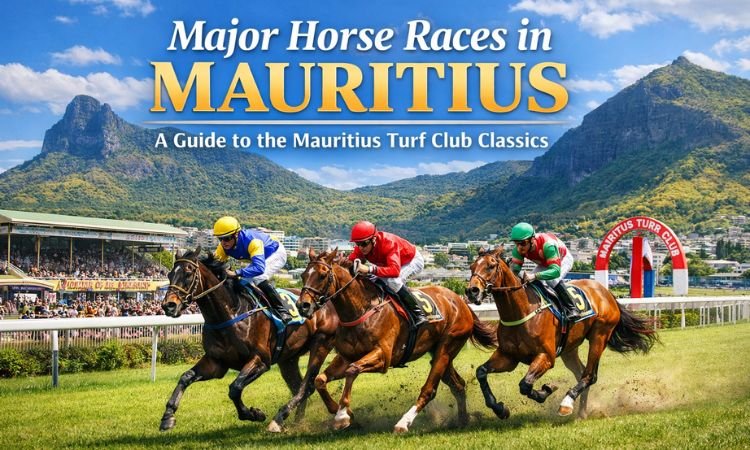
Major Horse Races in Mauritius: A Simple Guide to the Mauritius Turf Club Classics
Horse Racing

Major Horse Races in Mauritius: A Simple Guide to the Mauritius Turf Club Classics

Horse racing is one of the oldest and most respected sporting traditions in Mauritius. At the heart of this legacy stands the Mauritius Turf Club, which has been governing and organizing races on the island for over two centuries. Racing in Mauritius is not just a sport—it is a deeply rooted cultural event that brings together owners, trainers, jockeys, and passionate spectators. This guide explains the major horse races in Mauritius, focusing on the four classic races conducted at the historic Champ de Mars Racecourse, and helps readers understand why these races are so important within the Mauritian racing calendar. Horse Racing in Mauritius: A Brief Overview Horse racing in Mauritius is primarily organized and regulated by the Mauritius Turf Club. Most major races are held at the Champ de Mars Racecourse in Port Louis, which is known as one of the oldest active racecourses in the Southern Hemisphere. The racing season generally runs from March or April to November or early December, with most race meetings held on weekends. During the season, racing attracts large crowds and remains the most popular sport on the island. Within this season, four races stand out due to their history, prestige, and competitive significance. These are commonly referred to as the Mauritius Turf Club Classics. The Four Classic Horse Races of Mauritius Turf Club 1. The Maiden Cup The Maiden Cup is the most prestigious and anticipated race in Mauritius. It is widely regarded as the ultimate endurance test in Mauritian horse racing. Winning the Maiden Cup places a horse among the most respected names in Mauritian racing history. Preparation for this race requires careful planning and long-term conditioning. 2. The Duke of York Cup (Coupe d’Or) The Duke of York Cup, also known as the Coupe d’Or, is traditionally seen as the grand finale of the racing season. As the closing highlight of the season, this race carries both prestige and symbolic importance. 3. The Barbé Cup The Barbé Cup is one of the oldest and most respected mile races in Mauritius. This race holds historical importance and continues to be a key benchmark for milers in Mauritius. 4. The Duchess of York Cup The Duchess of York Cup is often the first classic race of the season. This race is particularly important for assessing how horses respond to early-season competition and race pressure. Also Read: Top 6 Tips for Buy a Racing Horse Why These Classic Races Matter Each of the four classics tests different aspects of a racehorse’s ability: Together, these races form the competitive backbone of the Mauritian racing season and help owners and trainers plan preparation, conditioning, and race selection more effectively. Also Read: How to choose a Thoroughbred A Supporting Perspective on Race Horse Performance Beyond training schedules and physical conditioning, some owners and trainers also observe timing, temperament, and natural performance cycles when planning major races. This approach looks at: Used carefully, such analysis does not replace traditional preparation. Instead, it acts as a supporting layer, helping teams make more informed decisions around race selection and long-term performance. Organizations like Zodiac Gallop work with this timing-and-temperament-based framework to help racing teams better understand these patterns and protect a horse’s competitive longevity. Also Read: What makes a true derby horse? A Thought for Owners and Trainers Looking Deeper While training methods, conditioning, and race selection remain the foundation of success, some owners and trainers also choose to look a little deeper into timing and temperament patterns when planning major races. This approach, often referred to as horse astrology, focuses on understanding natural performance cycles, mental readiness, and pressure response rather than predicting outcomes. Used carefully, it works as a supporting decision tool, helping reduce guesswork and protect long-term performance. At Zodiac Gallop, this perspective is applied as a structured, observational framework, designed to complement traditional racing preparation, not replace it. It is explored by teams who value patience, planning, and legacy over short-term results. Also Read: Common Mistakes Horse Owners Make When Choosing a Racehorse Conclusion The classic races of the Mauritius Turf Club form the backbone of Mauritian horse racing. From the endurance-focused Maiden Cup to the season-defining Duke of York Cup, each race plays a distinct role in shaping preparation strategies. For owners and trainers, success lies in understanding not just where to race, but when and how. When preparation, timing, and natural ability align, performance becomes more consistent, and long-term success becomes more achievable.

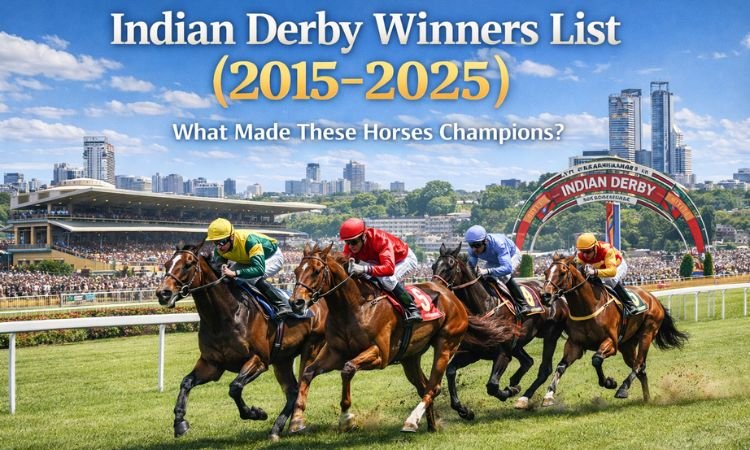
Indian Derby Winners List (2015–2025): What Made These Horses Champions?
Derby Horse

Indian Derby Winners List (2015–2025): What Made These Horses Champions?

The Indian Derby is more than a prestigious race on the Mumbai racing calendar. It is a defining moment that tests a horse’s mental strength, stamina, maturity, and timing. Every year, several well-bred and well-trained horses enter the Derby season, but only one manages to rise above pressure and expectation to claim victory. For racing owners, stud farm custodians, and trainers, the real value of the Indian Derby lies not just in celebration, but in understanding patterns. Derby winners leave behind important clues, about preparation, temperament, and peak timing, that help shape better decisions for the future. This looks closely at Indian Derby winners from 2015 to 2025, not merely as names on a list, but as examples of how championship performance is built. Why the Indian Derby Truly Matters The prestige of Mumbai racing & the Indian Derby Run at Mahalaxmi Racecourse, the Indian Derby is regarded as the ultimate test for four-year-old thoroughbreds in India. The race demands: Winning the Derby places a horse in a rare category associated with honor, breeding value, and long-term recognition. Also Read: The 5 Best Horse Racing Tracks in India Why Derby winners are studied, not just celebrated Seasoned owners and breeders understand one thing clearly, Derby success is rarely accidental. Behind every winner is a precise alignment of physical readiness, mental balance, training rhythm, and environmental comfort. Studying past winners helps identify what “right timing” truly looks like in elite racing. Indian Derby Winners (2015–2025) Below is a factual reference table to set context for deeper analysis. Year Winning Horse Trainer Jockey Feb 02, 2025 Ranquellino Darius Byramji A Sandesh Feb 04, 2024 Enabler M Narredu Yash Narredu Feb 05, 2023 Mirra Arjun Mangalorkar Anthony Raj S Feb 06, 2022 Zuccarelli P Shroff Trevor Mar 28, 2021 Immortality P Shroff Suraj Narredu Feb 02, 2020 War Hammer Prasanna Kumar Suraj Narredu Feb 03, 2019 Star Superior Rajesh Narredu Suraj Narredu Feb 04, 2018 Rochester S K Sunderji C S Jodha Feb 05, 2017 Hall of Famer S Padmanabhan David Allan Feb 07, 2016 Desert God S Padmanabhan David Allan While trainers and jockeys change, certain performance patterns repeat consistently among winners. Also Read: Top 6 Tips for Buy a Racing Horse What Do These Derby Winners Have in Common? Temperament under pressure Indian Derby winners display calm authority rather than nervous energy. They handle large crowds, long waiting periods, and mid-race tactical changes without losing focus. This level of composure often separates champions from horses that look brilliant in smaller races. Stamina over raw speed Derby winners are rarely the fastest sprinters. Instead, they show: This reflects maturity and energy management rather than explosive speed alone. Also Read: How to choose a Thoroughbred Mental maturity at the right time Perhaps the most important factor is the timing of maturity. These horses reach mental and physical readiness exactly when the Derby demands it, not months earlier and not too late. Why Some Derby Winners Fade After One Big Win Not every Derby champion goes on to dominate long-term. This is often due to factors unrelated to ability. Overtraining after success High expectations following a Derby win can lead to excessive racing or intense training schedules, disrupting a horse’s natural recovery rhythm. Poor timing decisions Ignoring rest cycles or seasonal suitability often results in inconsistent performances, even in talented horses. Emotional and mental burnout Horses experience psychological fatigue. Continuous exposure to pressure without adequate recovery affects confidence and willingness. Track and condition mismatch Some Derby winners excel under specific track conditions. When forced into unsuitable surfaces or climates, performance naturally declines. Also Read: The role of nutrition in racehorse performance The Hidden Factor Behind Derby Success Beyond pedigree and training Pedigree defines potential and training shapes discipline, but neither fully explains why one horse peaks perfectly on Derby day while another with similar credentials does not. Timing and temperament True champions show emotional balance, internal rhythm, and confidence under expectation. These qualities cannot be forced; they must be respected and aligned. How Horse Astrology Explains These Patterns (In a Practical Way) When Derby winners are studied closely, success appears less random. These horses peak at the right age, handle pressure effectively, and perform best when conditions align. Horse astrology approaches this from a timing and temperament perspective, focusing on natural performance cycles rather than belief or prediction. It helps explain why some horses mature perfectly for the Derby season while others peak too early or too late. Used carefully, this approach supports what owners and trainers already observe—helping refine timing decisions, reduce guesswork, and avoid unnecessary pressure during critical phases. Also Read: What Is a Horse Birth Chart? A Complete Guide to Horse Astrology Zodiac Gallop’s Hat theory Observational Perspective At Zodiac Gallop’s Hat theory, the emphasis is on understanding the horses osmic and planetary placement more deeply, especially in elite races like the Indian Derby. Long-term observation shows that Derby success often occurs when mental readiness, physical development, and seasonal timing align naturally. By studying temperament on the basis of birth timing, and performance cycles, this perspective helps owners, breeders, and trainers reflect on why a particular Derby year worked best for a horse. It acts as a supporting layer, complementing traditional training and pedigree analysis while protecting long-term legacy. Also Read: Common Mistakes Horse Owners Make When Choosing a Racehorse Conclusion The Indian Derby remains the ultimate test of a thoroughbred’s ability, temperament, and preparation. A close look at Derby winners from 2015 to 2025 shows that success is built on more than talent alone. Timing, mental maturity, stamina, and race-day composure play an equally important role. For owners, breeders, and trainers, studying past Derby champions helps build better understanding of what truly works at the highest level of Indian racing. By learning from these patterns, future contenders can be prepared with greater clarity, patience, and long-term vision qualities that define lasting success in the sport. When modern racing wisdom is combined with deeper understanding, champions are not manufactured, they are revealed at the right moment.

Racehorse Astrology in India: Smarter Derby Horse Selection
Horse Astrology, Derby Horse

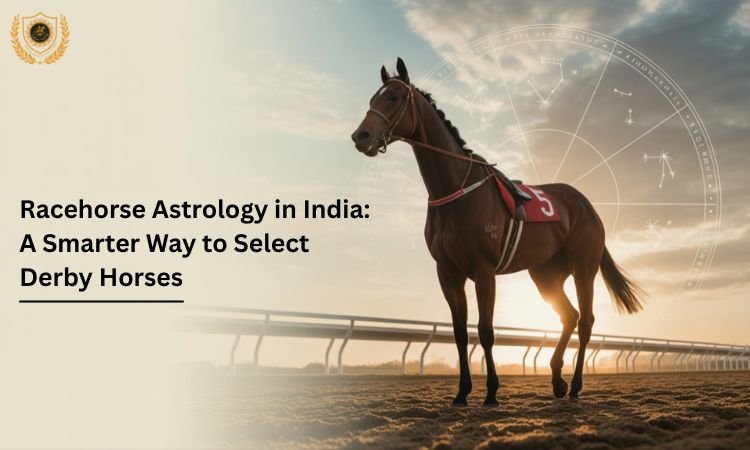
Racehorse Astrology in India: A Smarter Way to Select Derby Horses

Horse racing in India has always been associated with pride, discipline, and legacy. From historic racecourses like Mahalaxmi and Bangalore Turf Club to prestigious events such as the Indian Derby, selecting the right racehorse remains one of the most critical and challenging decisions for owners, breeders, and trainers. Traditionally, racehorse selection has relied on pedigree, physical appearance, and early performance trials. While these methods remain important, they do not always reveal the complete picture. Many well-bred horses fail to perform under pressure, while others with modest backgrounds rise to greatness. This growing gap between expectation and performance has led professionals to explore deeper evaluation methods. One such emerging approach is racehorse astrology, which offers insight into a horse’s temperament, adaptability, emotional strength, and long-term racing potential. This blog explains how racehorse astrology works in the Indian racing context and why it is becoming a smarter way to identify true Derby horses. Understanding the Indian Horse Racing Landscape Indian horse racing is shaped by diverse track conditions, climates, and racing formats. Horses compete across turf and sand tracks, face extreme weather variations, and travel between cities such as Mumbai, Bangalore, Pune, Hyderabad, and Chennai. Each racing environment demands different qualities: A Derby-level horse in India must therefore possess more than speed. It must handle pressure, travel stress, changing surfaces, and long racing seasons. Also Read: Common Mistakes Horse Owners Make When Choosing a Racehorse Why Traditional Racehorse Selection Has Its Limits Pedigree and conformation are valuable tools, but they only assess what is visible. Many selection challenges arise because certain qualities cannot be measured through physical inspection alone. Common limitations of traditional selection include: These gaps often lead to costly trial-and-error decisions for owners and breeders. What Is Racehorse Astrology? Racehorse astrology, also known as equine astrology, studies a horse’s birth chart using its date, time, and place of birth. Just as astrology is used to understand human personality and tendencies, it can also reveal a horse’s natural traits. A horse’s birth chart helps interpret: This deeper insight allows professionals to understand why a horse behaves a certain way, not just how it performs. Also Read: The role of nutrition in racehorse performance Racehorse Astrology in the Indian Racing Context Indian racing conditions are unique. High humidity, seasonal monsoons, temperature swings, and long travel schedules can significantly impact a horse’s performance. Racehorse astrology helps identify: This makes astrology especially valuable when preparing horses for major events like the Indian Derby. Introducing HAT Theory (Horse Astro Technique) To bring structure and practical application to equine astrology, HAT Theory (Horse Astro Technique) was developed by Sudheer Chauhan. HAT Theory combines: Rather than predicting race outcomes, HAT Theory focuses on selection clarity, helping identify horses whose natural traits align with racing goals. What HAT Theory Evaluates in a Derby Horse HAT Theory looks beyond surface-level performance and examines deeper indicators that shape long-term success. Temperament and Emotional Balance Some horses remain calm under pressure, while others struggle in noisy or competitive environments. Astrology highlights emotional stability and stress response patterns. Speed vs Endurance Orientation Birth charts can indicate whether a horse is naturally inclined toward sprinting or long-distance racing, helping trainers structure appropriate conditioning programs. Training Compatibility Not every horse responds well to the same training intensity. HAT Theory helps identify training styles that align with the horse’s natural rhythm. Environmental and Track Adaptability Certain horses adapt better to turf, others to sand or mixed surfaces. Astrology helps predict environmental comfort zones early. Why Racehorse Astrology Is Especially Useful for Selecting Derby Horses Derby races demand peak performance under maximum pressure. Small differences in temperament, timing, and adaptability often separate winners from the rest. Racehorse astrology supports Derby preparation by: Also Read: Top 6 Tips for Buy a Racing Horse Who Benefits from Racehorse Astrology in India Racehorse astrology is not limited to one group. It supports the entire racing ecosystem. Stakeholder Key Benefit Owners Smarter selection decisions with reduced risk Trainers Better training alignment and performance consistency Breeders Early identification of high-potential yearlings Stud Farms Stronger long-term bloodline planning Blending Tradition with Deeper Insight Racehorse astrology does not replace traditional evaluation methods. Instead, it complements them. A smarter selection approach includes: This combined model offers a clearer, more balanced understanding of a horse’s true potential. Why India Is Ready for Racehorse Astrology As Indian racing grows more competitive and globally connected, owners and breeders are seeking methods that offer clarity rather than guesswork. Racehorse astrology aligns perfectly with this shift by: Also Read: The 5 Best Horse Race Tracks in UAE Conclusion: A Smarter Way Forward for Derby Horse Selection Selecting a Derby horse in India is about far more than speed or pedigree. It requires understanding temperament, mental strength, adaptability, and timing. Racehorse astrology, supported by structured frameworks like HAT Theory, offers a deeper way to understand these critical traits. By integrating traditional methods with astrological insight, owners, breeders, and trainers can make more confident, informed decisions. In a sport where pride, honor, and legacy matter deeply, racehorse astrology provides a smarter path to identifying true champions. Also Read: The 5 Best Horse Racing Tracks in India FAQs What is racehorse astrology? Racehorse astrology studies a horse’s birth chart to understand temperament, emotional strength, adaptability, and racing potential beyond physical traits. Is racehorse astrology useful for Indian Derby selection? Yes. Indian Derby races involve high pressure, travel, and varied climates. Astrology helps assess mental readiness and environmental suitability. Can astrology help when selecting yearlings? Yes. Since yearlings lack race history, astrology offers early insight into future potential and temperament. Does racehorse astrology replace traditional selection methods? No. It complements pedigree, conformation, and performance analysis by adding deeper behavioral insight.

The Role of Race horse nutrition, Performance, And How Astrology Helps Understand Natural Strengths
Horse Racing

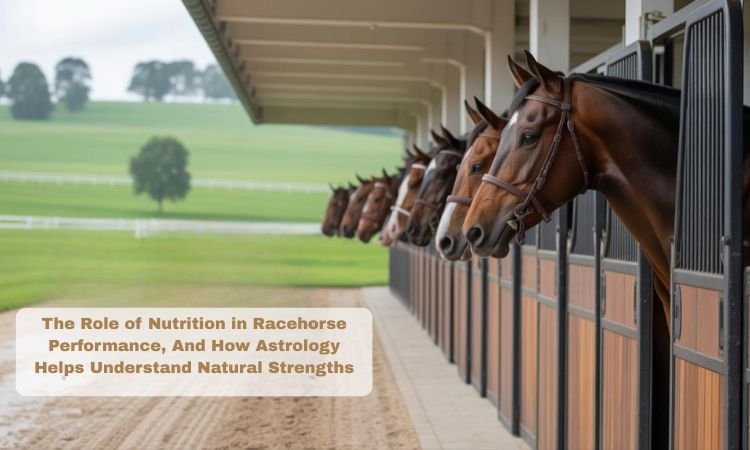
The Role of Nutrition in Racehorse Performance, & How Astrology Helps Understand Natural Strengths

A racehorse’s power, stamina, temperament, and long-term performance depend on many factors, but nutrition sits at the core. The right diet can elevate a good horse into a strong performer, while the wrong one can limit potential, no matter how strong the pedigree or training program may be. Traditionally, nutritionists, trainers, and breeders design diet plans based on physical traits, breed history, and performance goals. But in recent years, horse owners have started looking deeper to understand a horse’s natural strengths, energy cycles, metabolic tendencies, and emotional stability. And that’s where horse astrology, including Zodiac Gallop’s HAT Theory (Horse Astro Technique), adds an entirely new dimension. Before exploring how astrology helps, let’s understand the essential role of nutrition in racehorse performance. Why Nutrition Matters in Racehorse Performance Racehorses burn huge amounts of energy. Their muscles require fuel, their minds need calmness and focus, and their endurance depends on a balanced internal system. A well-designed diet ensures: Also Read: Common Mistakes Horse Owners Make When Choosing a Racehorse Let’s break down the key components of a racehorse’s nutritional needs. 1. Energy Requirements: Fueling Speed & Stamina Racehorses need energy-dense diets because of their rigorous daily workouts. Their diet typically includes: Carbohydrates The primary energy source during racing and training. High-quality grains such as: Carbs provide the quick energy required during sprinting or long sessions. Fats Fats are crucial for endurance horses because they provide slow-release energy. Sources include: Fats help maintain stamina during long-distance racing and reduce muscle fatigue. Proteins Proteins repair and build muscles after training. Good sources are: A diet rich in protein helps young horses grow strong and mature safely into race-ready athletes. Also Read: What makes a true derby horse? 2. Forage: The Foundation of Digestive Health While grains fuel performance, forage keeps a horse healthy. Racehorses consume: Forage supports: A digestive imbalance can lead to ulcers, stress, and inconsistent performance. Also Read: Top 6 Tips for Buy a Racing Horse 3. Vitamins & Minerals: Supporting Strength & Recovery Just like human athletes, horses require essential micronutrients: Electrolytes Lost through sweat; needed for nerve function and muscle recovery. Calcium & Phosphorus Support bone strength — critical for young horses entering training. Vitamin E & Selenium Antioxidants that protect muscle fibers and reduce inflammation. B-complex Vitamins Maintain energy levels and focus during training. Without these, even the best-trained horse may fail to perform optimally. Also Read: The 5 Best Horse Race Tracks in UAE 4. Hydration: The Silent Performance Factor Dehydration can drastically limit: Trainers ensure: A dehydrated horse is more prone to heat stress and muscle injuries. 5. Tailored Diets for Different Racing Styles Every racehorse is unique. Nutrition depends on: But understanding these differences requires careful observation, and sometimes, years of experience. This is where Horse Astrology offers an extraordinary advantage. Also Read: The 5 Best Horse Racing Tracks in India How Astrology Helps Understand a Horse’s Natural Strengths While nutrition builds the body, astrology helps reveal the inner blueprint of a horse: Zodiac Gallop’s HAT Theory (Horse Astro Technique) interprets a horse’s birth chart, including its date, time, and place of birth—to decode these hidden traits early in life. Let’s explore this deeper. How Horse Birth Charts Reveal Natural Strengths A horse’s birth chart shows how celestial influences shape: 1. Metabolism & Digestion Some horses naturally digest grains better, while others thrive on high-forage diets. Astrology identifies: 2. Temperament & Food Response Food affects behavior. A high-carb diet can make nervous horses even more reactive. Through astrology, you can identify: 3. Endurance vs. Speed Potential A horse’s natural performance inclination—sprinter or stayer—can be seen astrologically. Nutrition can then be aligned accordingly. 4. Heat or Cold Tolerance Diet directly changes hydration and energy output. Astrology reveals which horses: 5. Emotional Stability & Gut Health Temperament and gut health are deeply linked. Astrology helps predict stress cycles and emotional responses, allowing diet adjustments to maintain balance. Also Read: What Is a Horse Birth Chart? A Complete Guide to Horse Astrology Where Astrology Becomes a Practical Tool for Owners & Trainers Zodiac Gallop helps owners and trainers: This reduces trial-and-error and saves significant time while building a stronger, healthier, race-ready horse. The HAT Theory Advantage — Holistic Nutritional Insight Sudheer Chauhan, founder of Zodiac Gallop, developed HAT Theory to integrate: HAT Theory evaluates: This provides a nutritional roadmap that cannot be obtained through traditional observation alone. How Zodiac Gallop Helps You Build the Perfect Diet Plan Zodiac Gallop supports owners, trainers, and breeders by: 1. Assessing the Horse’s Birth Chart To understand strengths, weaknesses, metabolic rate, stress patterns. 2. Identifying Ideal Nutrition Type High-carb? High-forage? Moderate fat? Calming diet? Cooling foods? 3. Suggesting Best Training & Feeding Times Certain horses digest better during specific hours due to planetary influence. 4. Predicting Seasonal Variations Some horses peak in winter, others in summer. 5. Improving Overall Race Preparation Strategy Nutrition + temperament + training cycles = a complete performance plan. Conclusion Racehorse performance is never defined by nutrition alone, nor by genetics or training in isolation. It is the result of understanding a horse from the inside out, its body, its temperament, and its natural strengths.  While traditional nutrition provides the physical fuel required for strength, stamina, and recovery, astrology adds an inner perspective that helps owners and trainers make more informed, personalized choices.  By studying a horse’s birth chart and energetic blueprint, Zodiac Gallop helps reveal patterns that are otherwise invisible, guiding diet, training rhythm, and emotional balance with greater clarity.  When science and astrology work together, the result is a racehorse that is not only well-nourished but also understood at a deeper level, prepared to perform with confidence, consistency, and true racing spirit. Let the stars guide your next Derby success.📩 Contact Zodiac Gallop for personalized horse race analysis and temperament insights: info@zodiacgallop.com

Common Mistakes Horse Owners Make When Choosing a Racehorse
Horse Racing

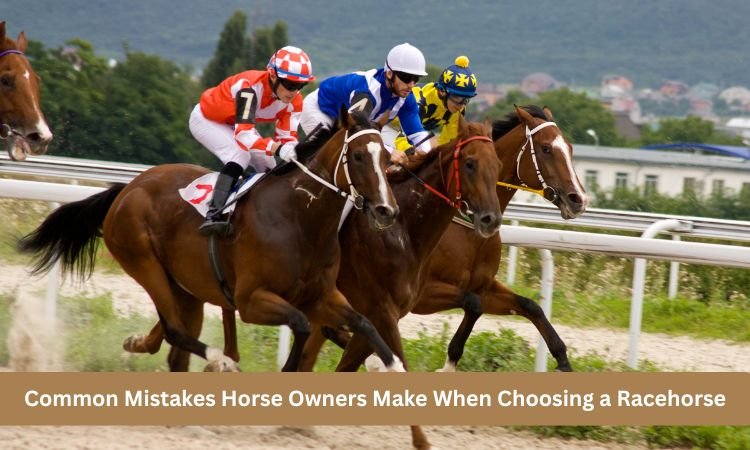
Common Mistakes Horse Owners Make When Choosing a Racehorse.

Why Choosing the Right Racehorse Is Not as Simple as It Looks Buying or selecting a racehorse is one of the most important decisions a horse owner, breeder, or trainer makes. It is exciting, full of possibilities, and often emotional, but it is also a process that requires careful judgment. A horse may have a strong pedigree, great early results, or even a promising appearance, yet still fail to perform on the track. Why does this happen? Because choosing a racehorse is not just about physical traits. It demands understanding temperament, mental resilience, adaptability, long-term potential, and the right training compatibility. Many new owners overlook these deeper qualities, leading to disappointment later. In this guide, we’ll explore the most common mistakes people make when selecting a racehorse, how to avoid them, and what you must evaluate before investing in your next champion. And finally, we’ll explain how horse astrology and Zodiac Gallop’s HAT Theory (Horse Astro Technique) can help make smarter, more confident choices. Common Mistakes Owners Make When Choosing a Racehorse, And How to Avoid Them Mistake 1: Choosing Only by Pedigree Many new buyers assume that a foal or yearling with a famous bloodline is automatically going to be a champion. Reality:Pedigree increases probability, not guarantee. Even the offspring of top stallions sometimes lack temperament or stamina required for racing. How to Avoid: Pedigree is a good starting point, but not the only deciding factor. Mistake 2: Overlooking Temperament and Emotional Strength A physically perfect horse may still fail in competitive racing due to anxiety, aggression, or lack of focus. How to Avoid: Temperament often decides the difference between a good horse and a true competitor. Also Read: Top 6 Tips for Buy a Racing Horse Mistake 3: Ignoring Conformation and Structural Soundness Some buyers focus more on speed records or bloodlines and forget to check basic physical structure. How to Avoid: Good structure helps prevent injuries and supports long-term performance. Mistake 4: Not Considering Track and Environment Suitability A horse who performs well on soft turf may struggle on dry dirt tracks. The racing environment affects performance more than people realize. How to Avoid: Choosing the right horse also means matching the right environment. Mistake 5: Buying Too Young Without Proper Assessment Yearlings often look promising, but without race exposure their future is unpredictable. How to Avoid: This is where many owners miscalculate the risk. Also Read: The 5 Best Horse Racing Tracks in India What to Look for Before Choosing a Racehorse Now that we understand the common mistakes, here are the key factors every owner, breeder, and trainer must evaluate. 1. Temperament and Emotional Balance A Derby-level horse must stay calm under pressure. Look for: 2. Training Compatibility Every horse responds differently to training styles. Some prefer intense routines, while others respond better to gradual work. Ask: Training harmony is essential for long-term success. Also Read: The 5 Best Horse Race Tracks in UAE 3. Stamina, Speed, and Physical Development Evaluate: A champion is not built in a day, it shows signs early. 4. Mental Maturity Young horses often show: A mentally mature horse handles stress with steady focus. Also Read: What makes a true derby horse? How Horse Astrology Helps You Choose the Right Racehorse (Birth Chart + HAT Theory) Traditional methods give only part of the picture. Many hidden traits, especially emotional strength, adaptability, pressure-handling ability, and training compatibility, cannot be measured physically. This is where Horse Astrology and Zodiac Gallop’s HAT Theory become powerful tools. What is Horse Astrology? Horse astrology studies the birth chart of a horse, based on its date, time, and place of birth, to understand its natural temperament, emotional patterns, strengths, and potential. Just like humans, horses are influenced by planetary placements, which affect: What is HAT Theory? (Horse Astro Technique) Developed by Sudheer Chauhan, HAT Theory blends: It offers a deeper, non-physical evaluation of a horse. Also Read: What Is a Horse Birth Chart? A Complete Guide to Horse Astrology How HAT Theory Helps in Choosing a Racehorse 1. Temperament Analysis Birth charts reveal emotional balance, confidence, and mental stability—traits crucial for racing. 2. Performance Predictions Astrological indicators show whether a horse is naturally inclined toward: 3. Training Compatibility Helps identify WHICH training method will work best with the horse’s natural tendencies. 4. Track Suitability Charts reveal adaptability to turf, dirt, climate, and high-pressure derby conditions. 5. Selection of Yearlings For young horses with no performance history, astrology provides rare clarity about future potential. This gives owners and breeders a significant advantage in reducing guesswork. How Zodiac Gallop Helps Perfect the Selection Process Whether you are an owner, trainer, or breeder, Zodiac Gallop provides: Birth Chart Analysis of Horses Deep insight into temperament, emotional strength, and racing potential. Selection Guidance for Buying New Horses Choose horses aligned with your goals—whether Derby ambitions or long-distance racing. Training Strategy Recommendations We guide you on training styles that match the horse’s natural rhythm. Understanding Yearlings Before Investment Know potential champions early, before training begins. Zodiac Gallop’s approach helps you make decisions based on clarity, not uncertainty, ensuring every horse you select aligns with your vision of pride and success. Conclusion Choosing the right racehorse is a thoughtful process. Many owners make mistakes by focusing only on pedigree, early performance, or appearance. But true success requires understanding the horse’s temperament, mental strength, adaptability, and long-term potential. Traditional evaluation methods are important, but combining them with horse astrology and HAT Theory offers a more complete picture, one that reveals hidden traits essential for racing excellence. With the right knowledge and guidance, you can choose a horse not just for performance, but for pride, honor, and legacy. FAQs 1. Why do pedigrees alone fail to guarantee a good racehorse? Because pedigree shows genetic potential, not temperament, pressure-handling ability, or emotional balance. Many well-bred horses struggle due to mental limitations. A complete evaluation includes temperament, structure, and astrological insight. 2. How does horse astrology help in selecting a racehorse? Horse astrology analyzes the birth chart of the

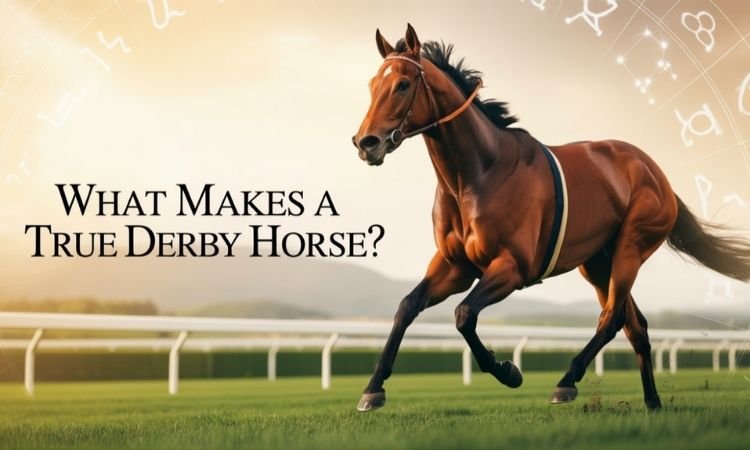
What Makes a True Derby Horse?
Derby Horse

What Makes a True Derby Horse? Temperament, Training, and Timing

Every Derby race is more than just a competition, it’s a symbol of legacy, discipline, and the unspoken bond between horse and human. The thunder of hooves, the electric tension in the stands, and the grace of a winning stride all echo one truth, not every horse is born a Derby contender. The making of a true Derby horse goes far beyond pedigree. It’s the harmony of temperament, training, and timing, the three forces that shape an ordinary horse into a name worth remembering. 1. Temperament — The Foundation of Greatness Temperament is where a champion’s journey begins. A horse’s emotional balance, courage, and responsiveness determine how it handles pressure and interprets a jockey’s cues. A true Derby horse isn’t just powerful; it’s composed. In the chaos of the racecourse, flashing cameras, roaring crowds, and fierce competition — the horse that stays calm, focused, and alert gains a defining edge. A true Derby temperament means: This emotional stability doesn’t just make racing safer, it builds the foundation for consistent excellence. Without the right temperament, even the finest bloodlines can falter. Also Read: The 5 Best Horse Race Tracks in UAE 2. Training — The Art of Shaping Potential If temperament is the base, training is the chisel that sculpts raw potential into perfection. Behind every champion stands a team of trainers who understand that horses don’t just need muscle, they need rhythm, discipline, and trust. Modern Derby training focuses as much on mental preparedness as on physical development. Every aspect,  from early groundwork to speed drills, is designed to strengthen the horse without breaking its spirit. A balanced training program includes: Training is an art of balance, pushing the horse to its limits without crossing them. True mastery lies in nurturing potential while preserving trust. Also Read: The 5 Best Horse Racing Tracks in India 3. Timing — The Moment Everything Aligns Even the best-trained, most even-tempered horse can miss greatness if the timing is off. Knowing when to push harder and when to hold back is what separates a skilled trainer from a visionary one. Timing influences every stage, from selecting yearlings to scheduling races. Every horse matures differently, both physically and emotionally, and recognizing these natural cycles is crucial. Key aspects of timing: Timing is where instinct meets intelligence. It’s that subtle synchronization between training, temperament, and opportunity, the moment everything comes together in a single, glorious stride. Also Read: Top 6 Tips for Buy a Racing Horse How Zodiac Gallop Helps Perfect Temperament, Training, and Timing While temperament, training, and timing build champions, understanding them on a deeper level requires insight, and that’s where racing horse astrology and Zodiac Gallop’s HAT Theory (Horse Astro Technique) come into play. Developed by Sudheer Chauhan, a visionary in equine astrology, the HAT Theory bridges the gap between science and intuition. By studying a horse’s birth chart, including its date, time, and place of birth, Zodiac Gallop helps decode hidden traits that shape a horse’s destiny on the track. How It Works Who Benefits Through Zodiac Gallop’s astrology-driven insight, the three pillars, temperament, training, and timing, are no longer left to chance. They become measurable, predictable, and harmonized for success. Also Read: What Is a Horse Birth Chart? A Complete Guide to Horse Astrology The Harmony of Three — Where Champions Are Born When temperament, training, and timing align perfectly, a horse doesn’t just compete,  it inspires. It embodies grace, discipline, and power, capturing the essence of what makes the Derby the pinnacle of racing pride. A true Derby horse runs not just for victory, but for honour and legacy. Its every stride is a reflection of the stable’s philosophy, the trainer’s wisdom, and the bond it shares with its rider. Conclusion — Legacy Guided by Insight The making of a Derby horse is never accidental. It’s a careful balance of nature, nurture, and intuition, all working in harmony. That’s where Zodiac Gallop stands apart. By combining equine astrology with deep understanding of temperament and performance, it helps owners, trainers, and breeders recognize true potential early, long before it meets the starting gate. Because in the end, a Derby champion isn’t defined by its speed alone, it’s defined by the spirit, preparation, and alignment that carry it across the finish line with pride. FAQs Q1: What defines a true Derby horse? Ans: A true Derby horse combines exceptional temperament, disciplined training, and precise timing, qualities that ensure composure, adaptability, and consistent performance under pressure. Q2: How does Zodiac Gallop help identify Derby-ready horses? Ans: Zodiac Gallop uses horse astrology and the HAT Theory to study a horse’s birth chart, revealing its temperament, emotional balance, and race readiness before training begins. Q3: What is the HAT Theory in horse astrology? Ans: The Horse Astro Technique (HAT) Theory, developed by Sudheer Chauhan, blends Vedic astrology with equine behavior science to assess a horse’s potential and compatibility for competitive racing. Q4: Can horse astrology improve training and performance? Ans: Yes. By aligning training and timing with a horse’s natural energy cycles, astrology helps trainers develop programs suited to each horse’s temperament and emotional rhythm. Q5: Who benefits from horse astrology insights? Ans: Owners, breeders, and trainers benefit the most. It helps them select and train horses that are emotionally stable, adaptable, and naturally aligned for racing success. Let the stars guide your next Derby success.📩 Contact Zodiac Gallop for personalized horse race analysis and temperament insights: info@zodiacgallop.com

Horse Astrology, Horse Racing

How to Buy a Racing Horse: 6 Tips for Owners (With Horse Astrology Insights)

Buying a racing horse is an exciting journey for anyone passionate about the sport. However, for first-time owners, it can also feel overwhelming. From understanding bloodlines to evaluating performance potential, there’s a lot to consider. Beyond physical traits, training, and pedigree, modern racehorse selection now includes horse astrology, a tool that helps owners, breeders, and trainers understand a horse’s temperament, stamina, and long-term potential. By combining traditional methods with astrological insights, you can make smarter, pride-driven choices for your stable. Here’s a guide for new owners, integrating horse astrology naturally into your decision-making process. Top 6 Tips for Buy a Racing Horse: 1. Understand the Cost Involved Buying a racing horse is just the beginning. The initial purchase is only a fraction of the total investment. Ongoing expenses include: Setting a clear budget ensures you can focus on horses that fit your plan. It also allows you to explore horse astrology services, like Zodiac Gallop’s HAT Theory, without stretching finances. These insights can help you choose horses likely to excel, saving time and resources compared to trial-and-error approaches. Also Read: How to choose a Thoroughbred 2. Research Thoroughbred Bloodlines Bloodlines remain a cornerstone of racehorse evaluation. Thoroughbreds are bred for speed, endurance, and temperament, and their sire and dam can indicate future performance. Studying relatives’ achievements helps predict a horse’s potential. Horse astrology complements this: by analyzing a yearling’s birth chart, you can assess innate traits beyond genetics. For example: Zodiac Gallop’s HAT Theory merges Vedic astrology with equine science to give owners a deeper understanding of a horse’s potential, helping make legacy-focused decisions, not just investment choices. Also Read: The 5 Best Horse Race Tracks in UAE 3. Work With an Experienced Trainer or Agent New owners should partner with professionals who have experience in selecting and training racehorses. Trainers and bloodstock agents guide you through: Integrating horse astrology enhances this process. Trainers can tailor training programs based on a horse’s temperament and endurance profile from the birth chart. This ensures the horse develops efficiently, while minimizing frustration and wasted effort. 4. Consider the Horse’s Age Thoroughbreds typically begin racing at two years old, with peak performance between three and five. Age affects selection strategies: By evaluating a yearling’s birth chart through Zodiac Gallop’s HAT Theory, owners gain early guidance on whether a horse is likely to thrive under competitive conditions—helping make informed choices even before the horse steps on the track. Also Read: The 5 Best Horse Racing Tracks in India 5. Attend Horse Auctions or Private Sales Auctions and private sales are the main ways to acquire racehorses: Astrology can be applied to both scenarios. Before making a decision, you can request the yearling’s birth details and have Zodiac Gallop analyze their birth chart. This gives a layer of insight beyond what physical observation and bloodlines can provide, highlighting horses that have the temperament, stamina, and resilience suited for your goals. 6. Plan for Ownership Beyond Racing Ownership doesn’t end when racing ends. Horses often transition into: Astrological insights can help here as well. By understanding a horse’s natural traits and emotional balance, owners and breeders can select horses suited for future roles, ensuring they continue to thrive and maintain the legacy of pride and honor. Horse Astrology: A Smarter Approach to Racehorse Selection Selecting the right horse is about more than bloodlines or trial runs. Temperament, adaptability, emotional balance, and endurance often determine success on the track. What is Horse Astrology? Horse astrology, or equine astrology, studies a horse’s birth chart, including date, time, and place of birth, to evaluate natural traits. Zodiac Gallop, led by Sudheer Chauhan, has developed the HAT (Horse Astro Technique) Theory, combining: How HAT Theory Works: Who Benefits: By combining traditional evaluation with astrology, owners and trainers reduce trial-and-error and make data-informed, pride-driven selections. Also Read: What Is a Horse Birth Chart? A Complete Guide to Horse Astrology Conclusion Buying a racehorse is exciting but requires knowledge, planning, and careful evaluation. Traditional methods like bloodline analysis, conformation checks, and training history remain essential, but adding horse astrology provides a new layer of insight. Zodiac Gallop’s HAT Theory helps owners, trainers, and breeders: By integrating astrology into your selection process, you can make smarter, more informed decisions, ensuring your horse thrives on the track and beyond. Contact Zodiac Gallop today at info@zodiacgallop.com for personalized horse race analysis and to discover the potential of your yearlings through the wisdom of the stars. FAQs Q1: What is horse astrology, and how does it help select racehorses?A1: Horse astrology evaluates a horse’s birth chart to predict temperament, stamina, adaptability, and training compatibility, offering insights beyond pedigree and physical traits. Q2: Can astrology guide training strategies?A2: Yes. HAT Theory helps trainers tailor programs based on a horse’s natural disposition, reducing frustration and enhancing performance. Q3: Is Zodiac Gallop only for elite racehorses?A3: No. It can be applied to yearlings, Derby horses, and developing Thoroughbreds, helping owners and breeders make informed, legacy-driven choices. Q4: How does astrology complement traditional evaluation methods?A4: It adds a layer of insight about temperament, endurance, and adaptability that bloodlines and trial runs alone may not reveal. Q5: Who benefits most from horse astrology?A5: Owners, trainers, and breeders seeking pride, honor, and legacy while maximizing the potential of their horses.

Horse Racing Tracks in India
Horse Astrology, Horse Racing

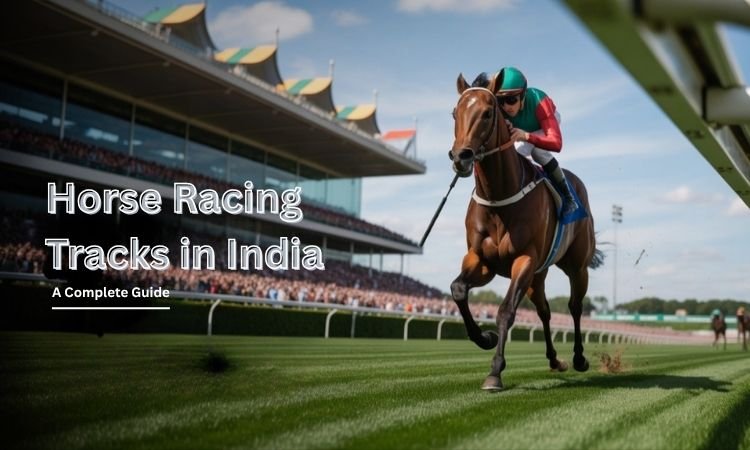
The 5 Best Horse Racing Tracks in India & How to Choose Your Next Derby Winner

India has a rich equestrian tradition, and horse racing has long been a sport of pride, honor, and legacy. From historic clubs to modern tracks, the country offers venues that challenge horses and trainers while captivating spectators.  Every year, owners, breeders, trainers, and enthusiasts gather to witness some of the finest Thoroughbreds compete. The ultimate question remains: how do you select the right horse to excel on these tracks? While traditional methods like evaluating bloodlines, conformation, and performance history are essential, they don’t always reveal a horse’s true potential. Temperament, endurance, adaptability, and mental resilience often decide a horse’s success in high-stakes races.  This is where horse astrology, through Zodiac Gallop’s HAT Theory, provides valuable insight. In this blog, we’ll cover the top 5 horse race tracks in India, what to look for in a racehorse, and how Zodiac Gallop’s horse astrology can help owners, breeders, and trainers make smarter choices. The 5 Best Horse Racing Tracks in India (2025) 1. Bangalore Turf Club (Bangalore Racecourse) – The Southern Jewel History & Overview: Founded in the 1920s, the Bangalore Turf Club is one of India’s oldest racecourses. Known for hosting the prestigious Bangalore Derby, it has been the epicenter of South Indian racing for decades. Facilities: What Makes It Special: Its combination of heritage and professional standards makes it ideal for both emerging horses and experienced competitors. Visitors note the organized race days and supportive environment for trainers and owners alike. Also Read: How to choose a Thoroughbred 2. Mahalaxmi Racecourse (Mumbai) – The Icon of Western India History & Overview: Established in 1883, Mahalaxmi is Mumbai’s crown jewel of horse racing. Known globally for hosting the Indian Derby and other high-profile races, it attracts elite owners, breeders, and trainers from across the country. Facilities: What Makes It Special: Mahalaxmi is famous for its grandeur and high-profile races. The electrifying atmosphere inspires both horses and trainers, providing a competitive yet prestigious environment. Also Read: What Is a Horse Birth Chart? A Complete Guide to Horse Astrology 3. Hyderabad Race Club – A Rising Star History & Overview: Established in 1967, Hyderabad Race Club has emerged as a hub for South Indian horse racing. Known for nurturing young horses and regional talent, it offers a welcoming environment for trainers and owners. Facilities: Also Read: Horse Racing in Dubai What Makes It Special: It provides an ideal environment for testing young horses’ stamina, temperament, and adaptability before moving to larger tracks. 4. Pune Racecourse – The Heritage Track History & Overview: Pune Racecourse, founded in the early 1800s, is one of India’s oldest tracks. It combines historic charm with modern racing amenities, making it ideal for both emerging and seasoned trainers. Facilities: What Makes It Special: Moderate crowds and a friendly atmosphere allow young horses and trainers to gain experience in a supportive environment. Also Read: Meydan Racecourse Dubai 5. Chennai Race Club – The Southern Legacy History & Overview: Hosting premier races for over a century, Chennai Race Club remains a key venue for Tamil Nadu’s horse racing scene. It balances historical prestige with modern standards to attract competitive participants. Facilities: What Makes It Special: Its focus on competition and cultural heritage makes it ideal for trainers to test horses’ adaptability, endurance, and temperament. Also Read: From Rejected to Racing Royalty: How Champion Horses Get Discovered Through Vedic Astrology Why Selecting the Right Horse Goes Beyond the Track While these tracks provide world-class facilities, a horse’s success depends on more than just pedigree or physical traits. Every horse reacts differently to track conditions, race length, climate, and crowd energy.  Owners, trainers, and breeders often notice that some well-bred horses underperform, while others with modest pedigrees shine unexpectedly. This highlights the importance of looking beyond conventional evaluation methods to consider a horse’s temperament, adaptability, emotional balance, and natural endurance.  By doing so, professionals can better predict which horses are most likely to excel on these iconic Indian racecourses. It’s in this context that horse astrology emerges as a powerful tool, providing insights into a horse’s innate abilities that might not be immediately visible. Horse Astrology: A Smarter Approach to Racehorse Selection Selecting the right horse is about more than bloodlines or trial runs. Temperament, adaptability, emotional balance, and endurance often determine a horse’s success on these tracks. What is Horse Astrology? Horse astrology, also called equine astrology, is the study of a horse’s birth chart, including date, time, and place of birth, to evaluate its natural traits. Zodiac Gallop, led by Sudheer Chauhan, has developed the HAT (Horse Astro Technique) Theory, which combines Vedic astrology, equine behavioral science, and racing knowledge. How HAT Theory Works: Who Benefits: By integrating horse astrology with traditional evaluation, owners, trainers, and breeders can make smarter, pride-driven choices while reducing trial-and-error in identifying Derby horses. Conclusion: Building Champions Across India India’s premier racecourses, from Mahalaxmi’s grandeur to Pune’s heritage charm, offer diverse challenges for Thoroughbreds. Selecting the right horse requires understanding temperament, resilience, and adaptability in addition to pedigree and conformation. Zodiac Gallop’s horse astrology and HAT Theory provide owners, trainers, and breeders with a comprehensive view of each horse’s potential, helping them make informed, pride-focused decisions. By combining traditional evaluation methods with astrology, every Derby horse is evaluated not only for physical ability but for mental and emotional traits, aligning with the stable’s long-term vision. For personalized horse race analysis and guidance on selecting your next champion, contact Zodiac Gallop at info@zodiacgallop.com Let the stars guide your choices and help build a legacy that lasts for generations. FAQs Q1: What are the top horse race tracks in India? A1: The five most prominent tracks are Mahalaxmi (Mumbai), Bangalore Turf Club, Hyderabad Race Club, Pune Racecourse, and Chennai Race Club, each with its own history, facilities, and signature races. Q2: How does Zodiac Gallop’s horse astrology help in selection? A2: By analyzing a horse’s birth chart, Zodiac Gallop evaluates temperament, stamina, adaptability, and performance potential to identify champions beyond traditional methods. Q3: Who benefits from horse astrology in India? A3:

Scroll to Top
Chat on WhatsApp