
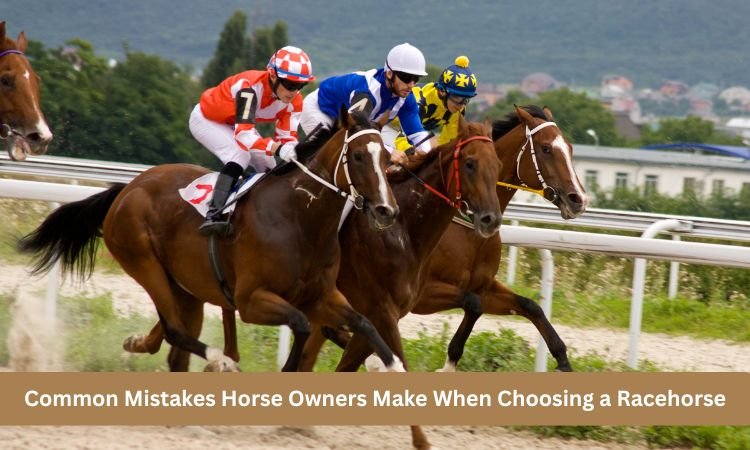
Common Mistakes Horse Owners Make When Choosing a Racehorse.
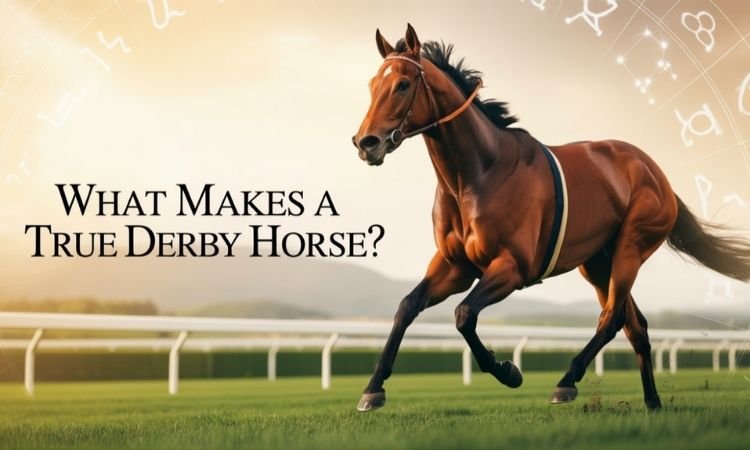
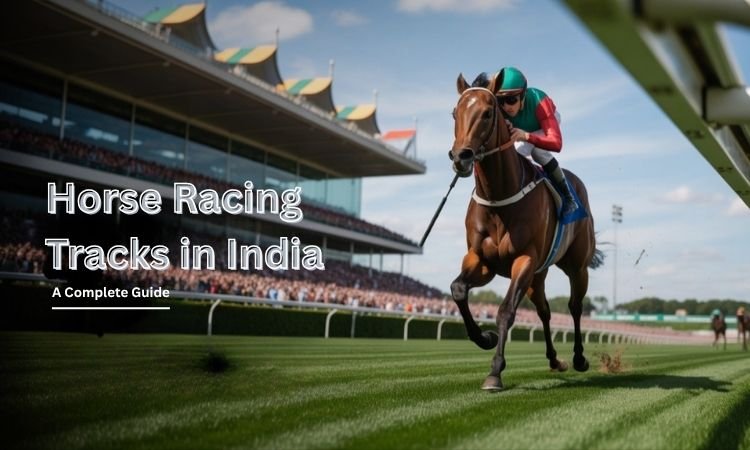
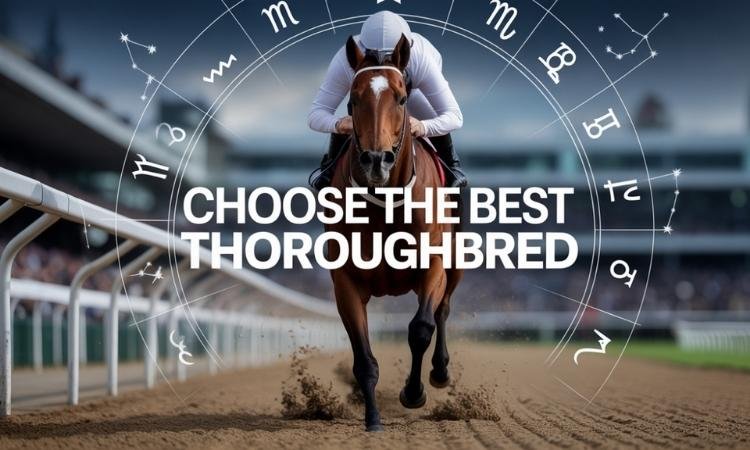
Why Choosing the Right Racehorse Is Not as Simple as It Looks Buying or selecting a racehorse is one of the most important decisions a horse owner, breeder, or trainer makes. It is exciting, full of possibilities, and often emotional, but it is also a process that requires careful judgment. A horse may have a strong pedigree, great early results, or even a promising appearance, yet still fail to perform on the track. Why does this happen? Because choosing a racehorse is not just about physical traits. It demands understanding temperament, mental resilience, adaptability, long-term potential, and the right training compatibility. Many new owners overlook these deeper qualities, leading to disappointment later. In this guide, we’ll explore the most common mistakes people make when selecting a racehorse, how to avoid them, and what you must evaluate before investing in your next champion. And finally, we’ll explain how horse astrology and Zodiac Gallop’s HAT Theory (Horse Astro Technique) can help make smarter, more confident choices. Common Mistakes Owners Make When Choosing a Racehorse, And How to Avoid Them Mistake 1: Choosing Only by Pedigree Many new buyers assume that a foal or yearling with a famous bloodline is automatically going to be a champion. Reality:Pedigree increases probability, not guarantee. Even the offspring of top stallions sometimes lack temperament or stamina required for racing. How to Avoid: Pedigree is a good starting point, but not the only deciding factor. Mistake 2: Overlooking Temperament and Emotional Strength A physically perfect horse may still fail in competitive racing due to anxiety, aggression, or lack of focus. How to Avoid: Temperament often decides the difference between a good horse and a true competitor. Also Read: Top 6 Tips for Buy a Racing Horse Mistake 3: Ignoring Conformation and Structural Soundness Some buyers focus more on speed records or bloodlines and forget to check basic physical structure. How to Avoid: Good structure helps prevent injuries and supports long-term performance. Mistake 4: Not Considering Track and Environment Suitability A horse who performs well on soft turf may struggle on dry dirt tracks. The racing environment affects performance more than people realize. How to Avoid: Choosing the right horse also means matching the right environment. Mistake 5: Buying Too Young Without Proper Assessment Yearlings often look promising, but without race exposure their future is unpredictable. How to Avoid: This is where many owners miscalculate the risk. Also Read: The 5 Best Horse Racing Tracks in India What to Look for Before Choosing a Racehorse Now that we understand the common mistakes, here are the key factors every owner, breeder, and trainer must evaluate. 1. Temperament and Emotional Balance A Derby-level horse must stay calm under pressure. Look for: 2. Training Compatibility Every horse responds differently to training styles. Some prefer intense routines, while others respond better to gradual work. Ask: Training harmony is essential for long-term success. Also Read: The 5 Best Horse Race Tracks in UAE 3. Stamina, Speed, and Physical Development Evaluate: A champion is not built in a day, it shows signs early. 4. Mental Maturity Young horses often show: A mentally mature horse handles stress with steady focus. Also Read: What makes a true derby horse? How Horse Astrology Helps You Choose the Right Racehorse (Birth Chart + HAT Theory) Traditional methods give only part of the picture. Many hidden traits, especially emotional strength, adaptability, pressure-handling ability, and training compatibility, cannot be measured physically. This is where Horse Astrology and Zodiac Gallop’s HAT Theory become powerful tools. What is Horse Astrology? Horse astrology studies the birth chart of a horse, based on its date, time, and place of birth, to understand its natural temperament, emotional patterns, strengths, and potential. Just like humans, horses are influenced by planetary placements, which affect: What is HAT Theory? (Horse Astro Technique) Developed by Sudheer Chauhan, HAT Theory blends: It offers a deeper, non-physical evaluation of a horse. Also Read: What Is a Horse Birth Chart? A Complete Guide to Horse Astrology How HAT Theory Helps in Choosing a Racehorse 1. Temperament Analysis Birth charts reveal emotional balance, confidence, and mental stability—traits crucial for racing. 2. Performance Predictions Astrological indicators show whether a horse is naturally inclined toward: 3. Training Compatibility Helps identify WHICH training method will work best with the horse’s natural tendencies. 4. Track Suitability Charts reveal adaptability to turf, dirt, climate, and high-pressure derby conditions. 5. Selection of Yearlings For young horses with no performance history, astrology provides rare clarity about future potential. This gives owners and breeders a significant advantage in reducing guesswork. How Zodiac Gallop Helps Perfect the Selection Process Whether you are an owner, trainer, or breeder, Zodiac Gallop provides: Birth Chart Analysis of Horses Deep insight into temperament, emotional strength, and racing potential. Selection Guidance for Buying New Horses Choose horses aligned with your goals—whether Derby ambitions or long-distance racing. Training Strategy Recommendations We guide you on training styles that match the horse’s natural rhythm. Understanding Yearlings Before Investment Know potential champions early, before training begins. Zodiac Gallop’s approach helps you make decisions based on clarity, not uncertainty, ensuring every horse you select aligns with your vision of pride and success. Conclusion Choosing the right racehorse is a thoughtful process. Many owners make mistakes by focusing only on pedigree, early performance, or appearance. But true success requires understanding the horse’s temperament, mental strength, adaptability, and long-term potential. Traditional evaluation methods are important, but combining them with horse astrology and HAT Theory offers a more complete picture, one that reveals hidden traits essential for racing excellence. With the right knowledge and guidance, you can choose a horse not just for performance, but for pride, honor, and legacy. FAQs 1. Why do pedigrees alone fail to guarantee a good racehorse? Because pedigree shows genetic potential, not temperament, pressure-handling ability, or emotional balance. Many well-bred horses struggle due to mental limitations. A complete evaluation includes temperament, structure, and astrological insight. 2. How does horse astrology help in selecting a racehorse? Horse astrology analyzes the birth chart of the