What Is the Sprinters Cup? A Simple Guide for Horse Racing Enthusiasts
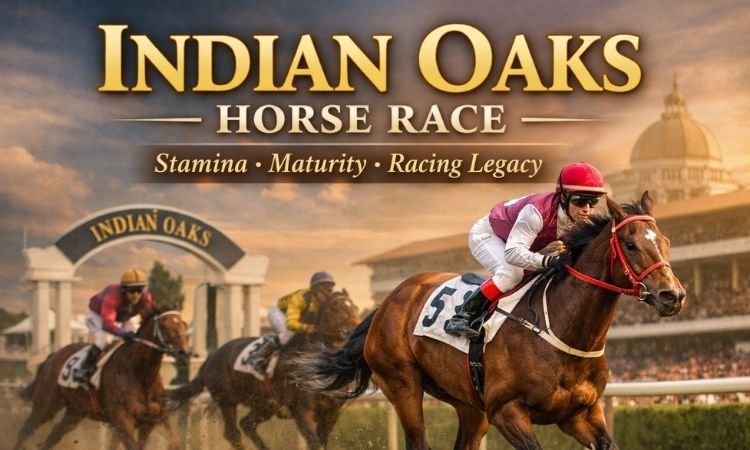
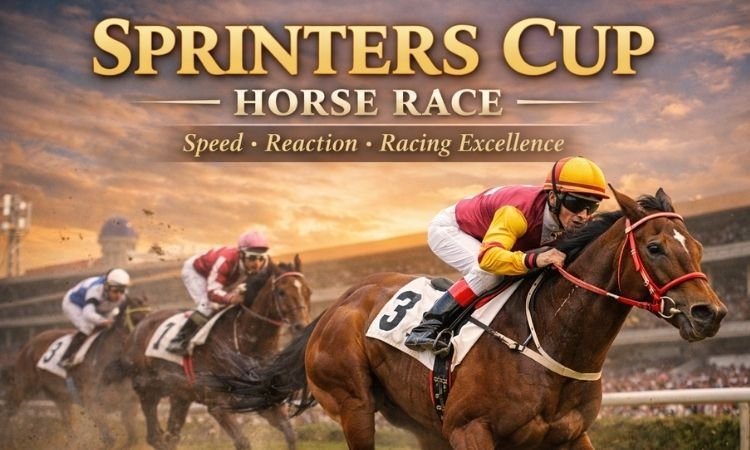
Horse racing is not only about long-distance endurance or classic races like the Derby and Oaks. A major part of the sport is dedicated to short-distance racing, where speed, timing, and instant decision-making define success. The Sprinters Cup represents this side of racing. It is a race that celebrates raw pace, sharp acceleration, and mental alertness, making it one of the most demanding formats in thoroughbred competition. For horse racing enthusiasts, owners, breeders, and trainers, understanding the Sprinters Cup is important because it helps clarify why certain horses excel in short races while others do not, and how sprint racing fits into the broader racing ecosystem. What Is the Sprinters Cup? The Sprinters Cup is a prestigious short-distance horse race designed specifically for racehorses that naturally perform best in sprint conditions. Unlike endurance races, where horses have time to settle and build rhythm, the Sprinters Cup requires horses to perform at peak intensity almost immediately after the start. The core purpose of the Sprinters Cup is to identify true sprint specialists, horses that possess: In simple terms, the Sprinters Cup exists to answer one question:Which horse can deliver maximum speed with control when there is no time to recover or adjust? Also Read: Indian Oaks Horse Race: Understanding Its Role in Thoroughbred Racing Distance and Nature of the Sprinters Cup Sprint races, including the Sprinters Cup, are run over short distances, which changes the entire nature of competition. In these races, even a small delay at the start or a brief loss of balance can decide the outcome. Because of the short distance: Unlike longer races, where patience and gradual buildup matter, the Sprinters Cup demands instant execution. This makes sprint racing extremely unforgiving and places high importance on precision. Also Read: Indian Derby Winners List (2015–2025) What Type of Horses Compete in the Sprinters Cup? Not every racehorse is suited for sprint racing. Some horses may show speed but lack the ability to deliver it effectively under sprint conditions. True Sprinters Cup horses have a distinct physical and mental profile. These horses typically show: Many horses that struggle to stay competitive in longer races find their true strength in sprint racing because the format matches their natural capabilities. Key Skills Tested in the Sprinters Cup The Sprinters Cup tests a unique combination of physical and mental skills. These skills are different from those required in classic or long-distance races. The race primarily tests: In sprint racing, talent alone is not enough. Horses must be mentally prepared to perform perfectly in a very short time window. Also Read: The 5 Best Horse Racing Tracks in India Sprinters Cup vs Derby and Oaks: Understanding the Difference The Sprinters Cup is often compared with races like the Derby and Oaks, but the goals of these races are fundamentally different. A horse that excels in sprint racing may lack the endurance required for classic races, while a strong stayer may struggle to match the sharp pace of sprint events. Understanding this difference helps owners and trainers avoid misplacing horses in unsuitable race categories. Why the Sprinters Cup Is Important for Owners and Trainers For owners and trainers, the Sprinters Cup plays an important role in classifying and managing racehorses correctly. It provides clarity about a horse’s natural racing strength. This race helps professionals: Correct placement not only improves performance but also protects the horse’s long-term health and confidence. Also Read: The role of nutrition in racehorse performance Common Traits Seen in Successful Sprinters Cup Horses Over time, certain traits are consistently observed in horses that perform well in sprint races like the Sprinters Cup. These traits go beyond physical speed. Successful sprinters usually demonstrate: These traits allow horses to perform reliably rather than producing occasional flashes of speed. Preparation for the Sprinters Cup: More Than Just Speed Preparing a horse for sprint racing requires a balanced approach. While speed is essential, overworking a horse can dull its sharpness. Effective preparation includes: Sprint races reward fresh, focused horses, not tired or overused ones. Also Read: How to choose a Thoroughbred Understanding Timing and Temperament in Sprint Racing Sprint racing is extremely sensitive to timing and temperament. Because races are decided in seconds, even a minor shift in mental readiness, energy balance, or focus can affect a horse’s ability to deliver its usual performance. Beyond training, fitness, and track conditions, some owners and trainers choose to explore supporting evaluation methods, such as racehorse astrology, to better understand how a horse responds under pressure. This approach focuses on observation and planning rather than prediction. Through the study of a horse’s birth chart, created using exact birth details such as date, time, and place, patterns related to temperament, reactive behaviour, and natural performance cycles can be examined. This helps teams understand: Within this context, frameworks like HAT Theory (Horse Astro Technique) are applied as complementary tools. HAT Theory uses horse birth chart insights only to support timing awareness, temperament understanding, and workload planning. It does not forecast race results or replace training, veterinary care, or professional judgment. When used responsibly, this structured apprach can help owners and trainers avoid poor timing decisions, reduce unnecessary pressure on sprint specialists, and protect long-term racing consistency. Also Read: Common Mistakes Horse Owners Make When Choosing a Racehorse Conclusion: What the Sprinters Cup Represents in Horse Racing The Sprinters Cup represents the purest form of speed-based competition in horse racing. It highlights how success depends on clarity, timing, and placing the right horse in the right race. For racing professionals and enthusiasts, the Sprinters Cup reinforces an important lesson:Not all champions are stayers; some are born to sprint.Recognizing and respecting this difference is key to long-term racing success and sustainable performance. Also Read: Top 6 Tips for Buy a Racing Horse Frequently Asked Questions (FAQs) 1. What is the Sprinters Cup in horse racing? Ans: The Sprinters Cup is a short-distance race designed to identify horses with exceptional speed, quick reaction, and the ability to perform under intense pressure over a brief distance. 2. Is the Sprinters