
Horse Racing

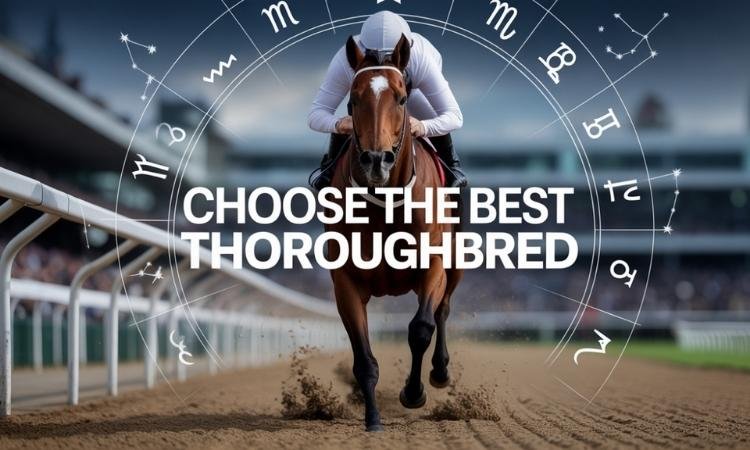
How to choose the best thoroughbred
Horse Racing

The Ultimate Guide to Thoroughbreds: Understanding the Ideal Racehorse and How to Choose the Best One

Owning a Thoroughbred racehorse is an exciting prospect for many horse racing owners, breeders, trainers, and equine enthusiasts.  Known for their speed, stamina, and competitive spirit, Thoroughbreds have long been the cornerstone of horse racing. From elite events like the Kentucky Derby to the Dubai World Cup, these horses are bred to race, and they do it well. However, selecting the right Thoroughbred to join your stable is not a decision to take lightly. With so many factors to consider, it’s essential to know what traits to look for when purchasing a racehorse. Zodiac Gallop’s horse astrology can offer you an additional edge in making a smart and informed decision, aligning your selection process with your goals for success and legacy in the racing world. In this guide, we’ll explore the key characteristics that define a winning Thoroughbred and how astrology can help you pick the horse with the best potential for success. What Makes a Thoroughbred the Ideal Racehorse? 1. Physical Traits: Built for Speed and Endurance Thoroughbreds are bred for one main purpose racing. These horses are known for their long legs, muscular frame, and slim build, which allow them to reach incredible speeds while maintaining endurance over long distances. Their muscle development and powerful stride are perfectly suited to competitive racing. Why It Matters: A well-built Thoroughbred with the right physical traits is essential for speed, stamina, and overall racing potential. 2. Temperament and Mental Resilience A Thoroughbred’s temperament is just as important as its physical attributes. These horses must be mentally resilient, focused, and able to handle pressure. The high-stakes world of racing requires horses that are not easily distracted and can perform under stress. Why It Matters: Horses with a strong mental game are more likely to thrive in the competitive and pressure-filled environment of the racetrack. Also Read: What Is a Horse Birth Chart? A Complete Guide to Horse Astrology 3. Genetics and Pedigree The bloodlines of a Thoroughbred are integral to its racing success. Horses from proven racing bloodlines are more likely to inherit traits such as speed, stamina, and agility that make them competitive on the track. Why It Matters: A solid pedigree increases the likelihood that the horse will inherit favorable traits, setting it up for success in races. How to Choose the Best Thoroughbred for Racing 1. Physical Assessment: Evaluating Conformation and Gait The conformation of a Thoroughbred refers to its overall body structure and proportions. Key aspects to consider include: Why It Matters: Proper conformation ensures that the Thoroughbred is built for efficiency and power during racing, reducing the likelihood of injury. Also Read: How Zodiac Gallop Helps Breeders Select Future Derby Champions from Day One 2. Training History: Assessing Readiness A horse’s training history is an essential aspect of evaluating its racing potential. Has the horse been exposed to racing environments? A well-trained Thoroughbred will have experience in handling the demands of high-speed racing and adjusting to the pressures of competition. Why It Matters: A horse that has already been trained and conditioned for racing environments is more likely to perform consistently on race day. Also Read: How Zodiac Gallop Helps Trainers Select and Train Better Horses 3. Behavioral Traits: Assessing Mental Strength In addition to physical traits, behavioral traits such as focus, adaptability, and emotional resilience play a significant role in a Thoroughbred’s performance. Horses that remain calm and focused under pressure tend to perform better during races. Why It Matters: A focused and adaptable Thoroughbred is more likely to succeed in the high-pressure world of racing, where split-second decisions can make all the difference. Introducing Horse Astrology: Zodiac Gallop’s astrology offers valuable insights into a horse’s mental strength and emotional resilience by analyzing its astrological chart. This helps identify whether the horse will be mentally suited for the stressful conditions of racing. Also Read: Horse Racing in Dubai Key Traits to Look for in a Thoroughbred Racehorse Speed: The Driving Force Speed is the defining characteristic of any racehorse, and Thoroughbreds are specifically bred for high-speed performance. Look for a horse with strong, long legs and muscle development that supports fast running. Why It Matters: A fast horse is crucial for short-distance races like the Kentucky Derby, where fractions of a second can determine the winner. Stamina: Longevity in Races While speed is important, stamina is equally essential, especially in long-distance races. Thoroughbreds are bred for both speed and endurance, allowing them to maintain their performance in longer races. Why It Matters: A stamina-filled Thoroughbred will maintain strong performance over longer distances, a necessary trait for endurance events. Temperament: The Mental Edge A calm and focused temperament is essential for racing success. A horse that is easily agitated or distracted may struggle to perform under race day pressures. Why It Matters: Horses that can handle stress and stay focused tend to perform better and maintain their energy throughout the race. Also Read: From Rejected to Racing Royalty: How Champion Horses Get Discovered Through Vedic Astrology How Zodiac Gallop’s Astrology Can Enhance Your Horse Selection Process When selecting a Thoroughbred, focusing on physical traits alone isn’t enough. That’s where Zodiac Gallop’s horse astrology comes in, offering astrological insights to guide your decision. HAT Theory (Horse Astro Technique) is a unique method developed by Sudheer Chauhan, combining Vedic astrology with modern equine science. Through this technique, Zodiac Gallop helps you assess a horse’s temperament, mental resilience, and performance potential beyond just physical traits. What HAT Theory Offers: Why Horse Astrology is the Future of Thoroughbred Selection Expanding Beyond Bloodlines and Conformation Traditional methods like bloodline analysis and conformation evaluation are important, but Zodiac Gallop’s astrology adds an essential layer of insight. By understanding a horse’s astrological influences, you get a clearer picture of its true potential, both on and off the racetrack. Why It Matters: Astrology gives you deeper insights into a horse’s hidden strengths, enabling more accurate selection decisions. The Competitive Advantage In today’s highly competitive racing environment, there’s no room for guesswork. By incorporating astrology, you reduce the emotional and
horse racing in dubai meydan racecourse
Horse Racing

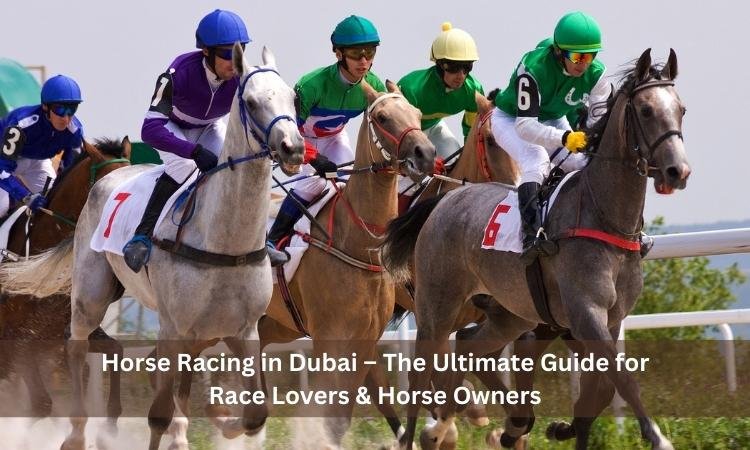
Horse Racing in Dubai – The Ultimate Guide for Race Lovers & Horse Owners

In Dubai, horses are beyond just creatures. They are symbols of legacy. With pride. Of heritage. For generations, Emirati culture has viewed the horse as a friend in desert adventures and an indicator of noble character. Today, this close bond has resulted in the extraordinary: a world-class racing scene filled with history and class. Dubai’s horse racing is far more than just a sport. It is a cultural phenomenon. A gathering with individuals who understand that real achievement is defined not just by awards, but additionally by the legacy you leave. Every movement here tells an honorable story.  Every cross line reveals generations of work.  The racetrack becomes an honored ground, where owners celebrate the timeless relationship between man and horse along with observing speed.  Here, pride is earned by understanding and respect, instead of being declared. A Brief History of Horse Racing in Dubai It began simply.  In 1981, the very first Horse race happened on a camel track.  A modest beginning for something extraordinary.  Then, in 1992, the Dubai Racing Club was specifically integrated.   This was the true beginning of Dubai’s racing comeback. The real revolution took place in 1996, with the first Dubai World Cup.  Dubai showed up on the global racing map.  The makeover reached its apex in 2010 with the official opening of Meydan Racecourse, which is capable of hosting over 80,000 spectators and includes a 1,750m dirt track and a 2,400m turf track.  Nothing of this would have occurred without Sheikh Mohammed’s love of horses. Also Read: From Rejected to Racing Royalty: How Champion Horses Get Discovered Through Vedic Astrology Meydan Racecourse – The Crown Jewel   In 2010, everything improved.  Meydan Racecourse finally opened its doors.  This magnificent wonder can fit over 80,000 people. It had a mile-long stadium and cutting-edge amenities.   Particularly, it involved both a 1,750m dirt track and a 2,400m turf track, which made it perfect for world-class competitions. Meydan, positioned seven miles from Dubai’s center yet fully connected, transformed the racing atmosphere. The floodlit system made for amazing night racing, and the onsite five-star hotel allowed owners to easily wake up beside the track as their legacy would unfold. Every component, from the air-conditioned stands to the precisely maintained surfaces, shows Dubai’s passion to recognize the horse as an athlete and a symbol of heritage. This is where champions do far more than just race; they become a part of legacy. Owners more than watch; they can see the outcome of generations of commitment. Every finish line crossed signifies not just a success, but additionally a pledge made to the amazing creatures who carry our hopes. Meydan is far more than simply a racetrack.  It is a journey.  A 5-star hotel. Luxurious viewing areas. Night racing with lights that are bright.  This is where legends develop.  Owners can observe their horses compete on the world stage.   Also Read: How to choose a Thoroughbred The Dubai Horse Racing Season The racing period lasts from November to March.  These less severe months create flawless circumstances for both horses and spectators, enabling top performance without the intense desert heat. The Dubai Racing Carnival starts up in January.  This nine-race series serves as a great training for the Dubai World Cup, with winners gaining automatic entry for the corresponding Dubai World Cup events. While Meydan takes the limelight, Dubai also provides additional spaces.  Jebel Ali Racecourse provides spectacular Horse races. Al Ain Grandstand focuses on purebred Arabian events.  The circuit also includes the Abu Dhabi Equestrian Club and Sharjah Equestrian as well as Racing Club. Every place has its own character and story, creating a colorful fabric of equestrian brilliance across the Emirates. Major Group 1 Races at Meydan These widely known races define Dubai’s racing calendar. Each evaluates different traits in a champion: Races Distance (m) Surface Specialty Al Quoz Sprint 1,200 Turf High-speed sprints Dubai Golden Shaheen 1,200 Dirt Explosive speed on dirt Dubai Sheema Classic 2,410 Turf Stamina & endurance test Dubai Turf 1,800 Turf Balanced speed & stamina Dubai World Cup 2,000 Dirt World’s richest dirt race Jebel Hatta 1,800 Turf Tactical middle-distance race Al Maktoum Challenge 2,000 Dirt Key prep race for Dubai World Cup The Racing Spirit  Different racing events have different spirit to them. Every race has a unique way testing the horse endurance and power at the Dubai Track:  Also Read: How Zodiac Gallop Helps Trainers Select and Train Better Horses Turf vs Dirt – Why It Matters Not all winners are created the same.  Some perform well on turf.   Some win on dirt. Turf race requires speed. It’s when horses with fast minds excel. Dirt racing requires power.  Stamina. The ability to conquer the challenges. It’s for horses with an unshakable spirit.   The right surface enhances a horse’s natural abilities. This is not about setting perfection; it’s about showing what already exists there. Consider how the Dubai World Cup’s dirt track compares from the Dubai Turf’s grass design. A horse who is struggling on one surface may be incredible on another. Understanding these differences honors each horse’s own personality. It transforms racing from a competition to an occasion of individual achievement. When you place a horse where it performs its best, you’re doing more than just winning races; you’re uncovering destiny. Planning Your Visit – Know Before You Go When you’re planning for these events in Dubai, do keep these points in mind:  Seasons of this Event  The racing season in Dubai carefully adjusts to the shifting of the seasons. The desert cools down between November to March, making it perfect for horses and viewers both. This is about honoring the horse’s natural cycle, rather than simply about timing. The season starts developing slowly in November and builds up speed all over the Dubai Racing Carnival in the month of January, with each race playing as a significant beginning to the big finale.   Everything goes complete at the Dubai World Cup in the middle of March, when years of careful preparation, development, and planning arrive at

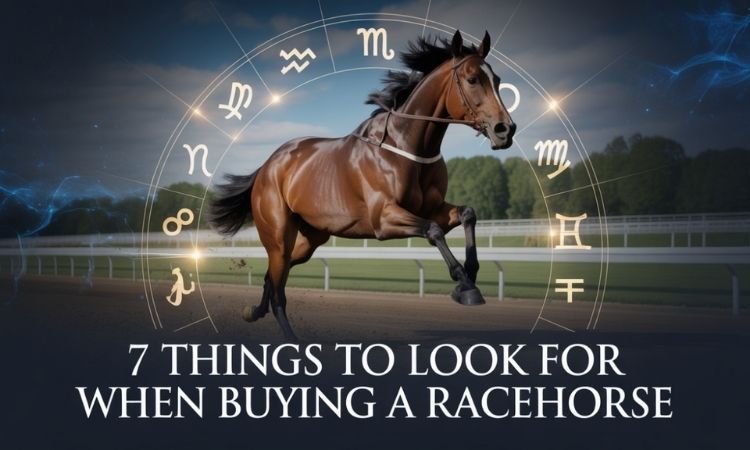
7 Things to look for when buying a racehorse
Horse Racing

7 Things to Look for When Buying a Racehorse: How Astrology Can Give You the Winning Edge

Owning a racehorse is an exciting dream for many horse lovers, owners, trainers, breeders, and equine enthusiasts. The thrill of watching your Thoroughbred thunder down the track, the pride of ownership, and the potential for greatness is unmatched. However, selecting the right racehorse can be a daunting task. Whether you’re buying a horse for racing or breeding, it’s crucial to make informed decisions based on a horse’s physical traits, temperament, and performance potential. In this blog, we’ll cover 7 essential factors to look for when buying a racehorse. But, beyond the traditional criteria, we’ll also introduce how Zodiac Gallop’s horse astrology and HAT Theory (Horse Astro Technique) can give you a strategic edge in making smarter, more accurate decisions. 7 Key Factors to Consider When Buying a Racehorse 1. Balance: The Foundation of a Racehorse’s Strength When selecting a racehorse, balance is key. A horse with good balance will have a well-proportioned body, where the weight distribution is even from front to back and top to bottom.  This ensures that the horse can move efficiently, with a strong yet light frame that aids in speed and agility. Why It Matters:Balance allows the horse to perform at its peak without unnecessary strain, improving speed and endurance on the track. Also Read: From Rejected to Racing Royalty: How Champion Horses Get Discovered Through Vedic Astrology 2. Bone Structure: Strength and Endurance A strong bone structure is essential for a racehorse to withstand the physical demands of racing. The bones, particularly in the legs, must be well-formed and sturdy to handle the pressure of high-speed movements.  Proper alignment of the bones reduces the risk of injuries and enhances a horse’s stamina and longevity in the racing world. Why It Matters:Horses with strong legs and bones are more likely to perform consistently and maintain peak performance during competitive races, making them an excellent investment for long-term success. 3. Intelligence: The Key to Adaptability Intelligence is often overlooked but plays a crucial role in how well a racehorse adapts to training and competition. A horse with high mental agility can handle the stress of racing and adapt to different situations quickly.  Intelligent horses tend to be alert, focused, and more trainable, making them easier to work with and more responsive to training. Why It Matters:Smart horses are not only easier to train but are also more likely to perform well under pressure. They learn faster and adapt to competitive environments, which is vital for racing success. Also Read: Horse Racing in Dubai 4. Athleticism: Speed, Stamina, and Agility Racehorses are athletes by design. Their speed, agility, and stamina are essential traits that determine how well they perform on the track. When evaluating a horse, look for strong muscle development, fluid movement, and a natural ability to cover ground quickly.  Thoroughbreds, for instance, are bred to be athletic with a natural tendency to sprint and maintain speed. Why It Matters:A horse with strong athletic traits is more likely to succeed in the high-stress, high-speed world of racing. These traits are what separate a good racehorse from a champion. 5. Training History: The Foundation of Performance While a horse’s natural ability is important, its training history is equally critical. A horse that has been well-trained and exposed to racing environments will be better prepared for the demands of competition.  Evaluate the horse’s training program to ensure it aligns with your expectations and the horse’s potential. Why It Matters:Proper training prepares a horse for the physical and mental challenges of racing, giving it the tools it needs to perform consistently and succeed in competition. Also Read: How Zodiac Gallop Helps Trainers Select and Train Better Horses 6. Emotional Resilience: The Hidden Factor for Success In the competitive world of horse racing, emotional stability plays a crucial role. A horse with strong emotional resilience is less likely to be rattled by the pressure of racing and will be able to focus on the task at hand. Horses that are nervous or easily stressed can struggle in the high-energy atmosphere of the racetrack. Why It Matters:Horses that are emotionally resilient are better equipped to handle the stress of racing, allowing them to perform at their best without being distracted by external pressures. How Zodiac Gallop’s Horse Astrology Can Help: Using Zodiac Gallop’s horse astrology, we assess emotional resilience and temperament based on the horse’s birth chart. Astrology can reveal how a horse is likely to respond to stress and whether it has the mental toughness to thrive in competitive racing environments. 7. Astrological Insights: Unlocking the Cosmic Potential of Your Racehorse Now that we’ve covered the traditional traits to look for when selecting a racehorse, it’s time to introduce the unique concept of horse astrology. Zodiac Gallop’s horse astrology provides deep insights that go beyond physical characteristics to help you select horses with the right temperament, training compatibility, and performance potential. What is HAT Theory? HAT Theory (Horse Astro Technique) is an innovative method developed by Sudheer Chauhan. It combines Vedic astrology with modern equine science to create a more comprehensive approach to evaluating a horse’s temperament, physical traits, and long-term potential. The theory uses the horse’s birth chart to predict key factors like speed, stamina, mental resilience, and compatibility with trainers. This astrology-driven approach provides valuable insights into how a horse will handle racing environments and whether it has the emotional fortitude to succeed in high-pressure situations. For example: Why It Matters:Integrating astrological insights into your horse selection process helps you understand a horse’s true potential, physically, mentally, and emotionally. With HAT Theory, you can select horses that are not only physically capable but also have the right mindset and emotional strength to succeed in competitive races. Also Read: How Zodiac Gallop Helps Breeders Select Future Derby Champions from Day One Conclusion: Make Smarter Racehorse Selections with Confidence and Clarity Choosing the right racehorse requires more than just assessing physical traits and performance records. By focusing on factors like balance, bone structure, intelligence, athleticism, training, and emotional resilience, you set yourself

Scroll to Top
Chat on WhatsApp