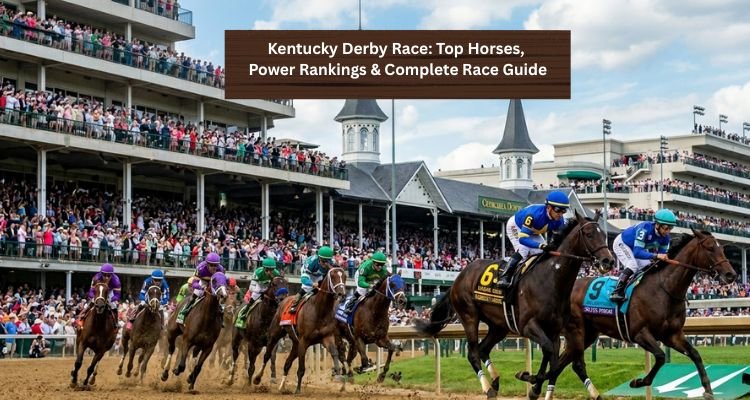
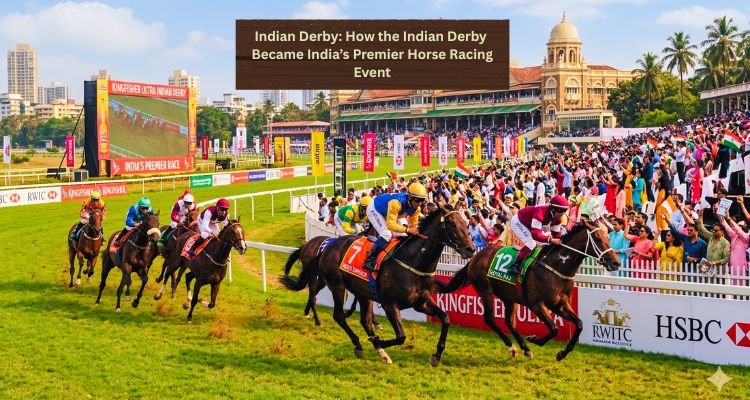
What if one race could define speed, prestige, and legacy all at once? That race is the Indian Derby. It is the country’s biggest classic horse race and the ultimate test for elite three-year-old thoroughbreds. More than just a competition, it is a celebration of excellence, history, and high society. Held every year at the iconic Mahalaxmi Racecourse, the Derby unites champions and dreamers. But beyond training and talent, destiny also plays its part.
With over 15 years of experience, Sudheer Chauhan blends Western and Vedic astrology to decode thoroughbred birth charts with precision and trusted insight. Discover how Zodiac Gallop can align your champion’s journey with cosmic timing today.
What Is the Indian Derby?
The Indian Derby is India’s most prestigious classic race for four-year-old Thoroughbred horses. It is run over a distance of 2,400 meters, making it a true test of both stamina and racing intelligence.
Unlike sprint races that reward early speed, the Derby demands balanced pacing, strategic positioning, and sustained power in the final stretch. Only the best young horses qualify, which makes the competition intense and selective.
The race is typically held in February and serves as the grand highlight of the Indian racing season. Winning the Derby means more than lifting a trophy; it secures a permanent place in Indian racing history.
The Early History of the Indian Derby
The origins of the Indian Derby go beyond its formal establishment in 1943. It represents the structured transformation of a colonial racing tradition into a nationally respected and professionally governed classic competition.
In Indian racing history, organized competition expanded under British influence. The Indian Derby highlights:
- How colonial influence shaped early racing
- How RWITC governance strengthened rules and credibility
- How breeding and infrastructure improved competitive standards
Because racing matured across regions, the Indian Derby gradually evolved into India’s most anticipated, respected, and professionally structured horse racing event.
Also Read: What Makes a True Derby Horse? Temperament, Training, and Timing
How the Indian Derby Became India’s Premier Horse Racing Event
The Indian Derby rose to prominence through sustained financial growth, elite sporting ambition, and expanding national visibility. Over time, it transformed from a classic four-year-old contest This reflects deeper structural progress within India’s most prestigious racing spectacle, as well as the country’s thoroughbred ecosystem and professional racing standards.
As the racing industry matured and competitive standards intensified, the Indian Derby race revealed:
- How increasing prize money strengthened ownership investment and breeding ambition
- How elite trainers and superior bloodlines raised overall performance standards
- How national media exposure expanded public engagement and event prestige
Together, these forces positioned the Great Indian Derby as India’s definitive benchmark for classic racing excellence.
Legendary Horses and Memorable Moments
Over the decades, the Indian Derby has produced iconic champions, dominant victories, dramatic finishes, and intense rivalries, creating unforgettable moments that shaped eras and strengthened its lasting legacy in Indian racing history.
Reviewing Derby Results and Top Names of the Past Decade
| Year | Winner | Jockey | Trainer |
|---|---|---|---|
| 2026 | Fynbos | Tom Marquand | Pesi Shroff |
| 2025 | Ranquelino | A. Sandesh | Darius R. Byramji |
| 2024 | Enabler | Yash Narredu | M. Narredu |
| 2023 | Mirra | Anthony Raj | Arjun Mangalorkar |
| 2022 | Zuccarelli | P. Trevor | Pesi Shroff |
| 2021 | Immortality | Suraj Narredu | Pesi Shroff |
| 2020 | War Hammer | Suraj Narredu | Prasana Kumar |
| 2019 | Star Superior | Suraj Narredu | Rajesh Narredu |
| 2018 | Rochester | C.S. Jodha | S.K. Sunderji |
| 2017 | Hall of Famer | David Allan | S. Padmanabhan |
| 2016 | Desert God | David Allan | S. Padmanabhan |
These results highlight consistency among elite trainers and jockeys who repeatedly prepared champions for this demanding 2,400-meter test.
The Social & Cultural Impact of the Indian Derby
The Indian derby gradually expanded beyond the boundaries of sport to become one of India’s most anticipated social occasions. What was once purely a competitive Indian derby race now reflects prestige, fashion influence, media attention, and high-level networking within the country’s cultural landscape.
Its broader influence extends across several visible dimensions:
- Fashion and luxury presentation
- Celebrity attendance and media buzz
- Corporate networking opportunities
- Wider visibility for the great Indian derby
Through this blend of competition, elegance, and social presence, the Great Indian Derby continues to shape India’s modern sporting identity while reinforcing its status as a nationally celebrated event.
Also Read: 5 Best Horse Racing Tracks in India
The Role of Technology in Modern Indian Horse Racing
Technology has enhanced the standards and credibility of the Indian Derby, improving accuracy, safety, and national engagement across every stage of the Indian Derby race.
ts impact is visible in several key areas:
- Electronic timing and photo-finish systems
- Advanced veterinary care and monitoring
- Data analytics and digital access to the great Indian derby
Together, these advancements strengthen transparency, protect equine welfare, and raise competitive standards.
By combining innovation with tradition, technology continues to modernize Indian horse racing while reinforcing public trust in its most prestigious classic event.
Yearlings’ Performance Analysis by Zodiac Gallops
Early evaluation shapes long-term racing outcomes. Zodiac Gallops provides astrology-based insights to help owners understand a yearling’s natural strengths before structured preparation begins, especially for those aiming toward elite classics like the Indian Derby race.
Its assessment framework focuses on key developmental indicators:
- Precise birth chart analysis using exact foaling details
- Identification of stamina trends and physical growth cycles
- Temperament mapping for pressure response and adaptability
- Timing forecasts aligned with long-term racing strategy
Timing forecasts aligned with long-term racing strategy
By integrating structured astrological interpretation with racing insight, Zodiac Gallops supports smarter investment decisions and clearer preparation planning for horses with the potential to compete at the Great Indian Derby and other classic-level events. Sudheer Chauhan analyzes horses’ birth charts to uncover performance potential, temperament strengths, and hidden competitive advantages.
Conclusion
The Indian Derby stands as a symbol of excellence, ambition, and national sporting pride. What began in 1943 has grown into India’s most prestigious horse racing event, blending athletic performance, social elegance, and historical legacy.
As new champions emerge each season, the Derby continues to shape the future of Indian racing while honoring its rich tradition. For enthusiasts seeking structured insights and updates, Zodiac Gallops remains a trusted resource for understanding the deeper dynamics behind racing success.
FAQ’s
Here are a few key FAQs you should know.
What is the meaning of the Indian Derby?
It is India’s most prestigious classic horse race for three-year-old Thoroughbreds, held annually in Mumbai.
What is the origin of the Derby format?
The Derby originated in 18th-century England and inspired similar classic races worldwide.
When was the Indian Derby established?
The race was officially established in 1943.
Who organizes the Indian derby race?
The Indian Derby race is organized by the Royal Western India Turf Club (RWITC).
Which horses are eligible to run in the Indian Derby race?
Only four-year-old thoroughbred horses are eligible to compete in the Indian derby race, making it an exclusive classic event.